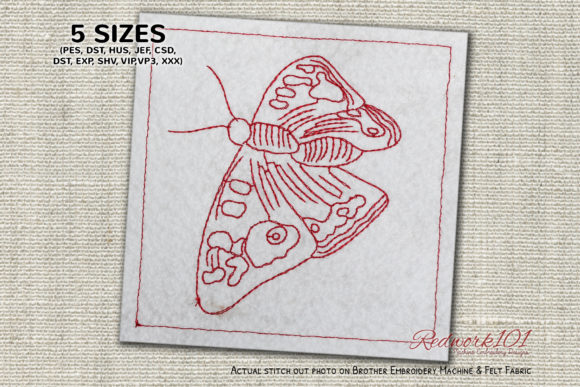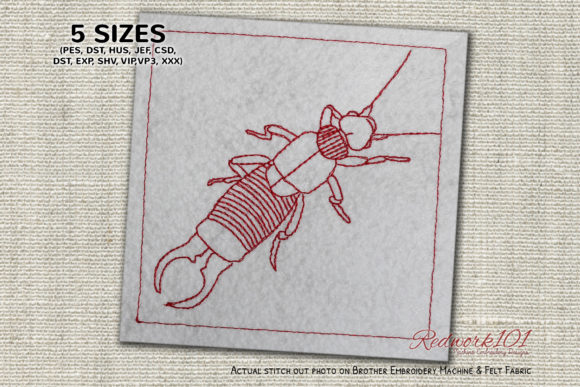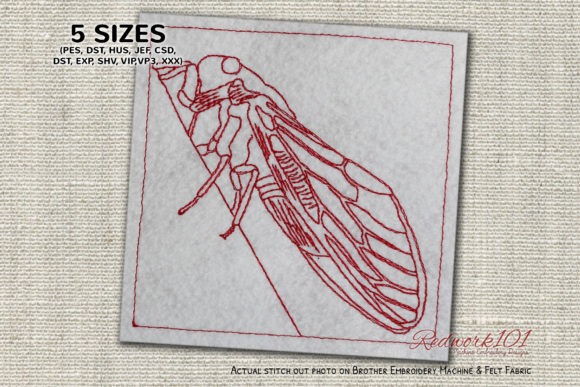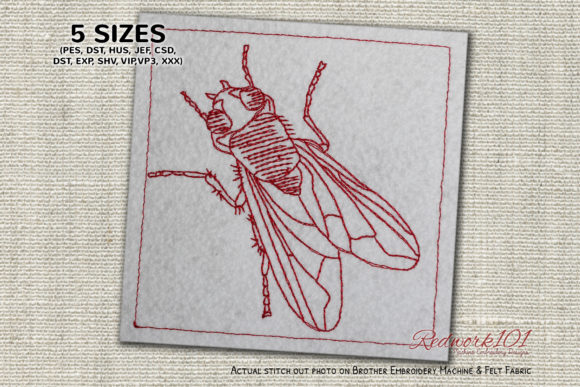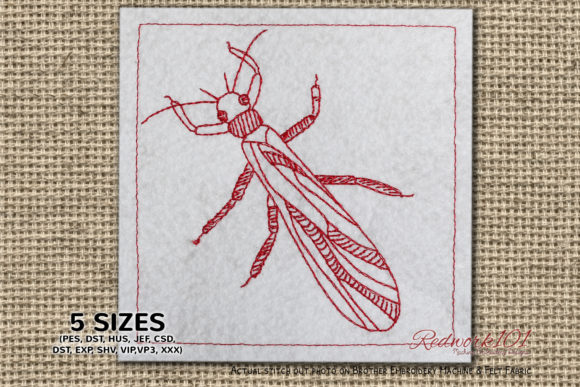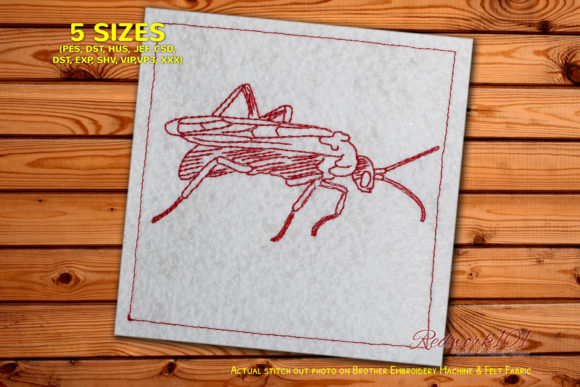
Tarantula Hawk Lineart
When you first open a file called Tarantula Hawk Lineart, you know immediately you are not working with a generic floral or a soft, rounded animal. This is a design with intent. It is sharp, intelligent, and unapologetically detailed. As someone who has digitized, stitched, and sold hundreds of machine embroidery designs, I can tell you that the first impression matters. This one immediately signals a specific mood: naturalist, edgy, and deeply intricate. It is a design that demands respect for the craft, and it rewards the maker who takes the time to understand its strengths.
First Impressions: The Visual Weight of the Design
The Tarantula Hawk Lineart captures the long-legged, winged silhouette of the insect with precision. The shape is naturally sprawling, with antennae, legs, and wings extending outward. This creates a dynamic layout that feels alive. The mood it evokes is neither cartoonish nor overly aggressive—it sits in a sweet spot of scientific illustration meets modern graphic design. For a small business owner or Etsy seller, this is a powerful asset. It tells a customer that you offer more than just standard monograms or cute animals. It offers a story.
Visually, the lineart style means there is a lot of open space within the outline. This is crucial for the final stitch-out. The detail level is high, especially in the wing veins and leg joints. This is not a design you want to drastically shrink down to fit a 4x4 hoop. It belongs in a larger format where the lineart can breathe. The optional box stitch, mentioned in the product details, is a smart addition. It gives you the flexibility to either let the tarantula hawk float organically on the fabric or contain it within a structured graphic border.
Real-World Performance: From Tote Bags to Premium Sweatshirts
I recently tested this design for a client who runs a small native plant nursery. She wanted a custom embroidered tote bag that reflected the wild, untamed side of her business. We used the Tarantula Hawk Lineart on a heavy-weight natural canvas tote. The result was exactly what we needed.
On a Tote Bag: Organic and Grounded
We skipped the outer box stitch entirely. The open lineart of the wings and legs blended beautifully with the natural fiber texture of the canvas. The satin stitch body segments provided a solid, dense center, while the running stitch legs and antennae added a delicate, hand-drawn feel. The stitch density was well-balanced for the sturdy fabric. It did not pucker or distort. The tote bag design felt premium and intentional—not like a random decal ironed onto a bag.
On a Premium Sweatshirt: Graphic and Bold
For a different project, I tested the design on a high-quality, dark charcoal fleece sweatshirt. This time, I used the optional box stitch. The contrast was dramatic. I stitched the tarantula hawk itself in a bright, metallic orange thread, and used a deep navy for the outer box. The effect was a logo-ready, graphic print that looked like high-end streetwear. The sweatshirt embroidery felt modern and edgy. It became a conversation piece, not just a piece of clothing. If you are an apparel decorator or a boutique owner, this design offers a unique way to differentiate your product line.
For Patches and Hats: Structured and Clean
The lineart style also translates exceptionally well to embroidered patches. The clean lines and distinct body segments make it easy to trim and finish. On a structured cap, the design holds its shape well as long as the cap is not overly curved. The long legs of the tarantula hawk mean you need to place it carefully on the front panel of a cap, avoiding the seams. It works best on flat-front or dad-hat styles where the surface is more stable.
Critical Stitching Considerations: Where to Use Caution
Let me be direct about where this embroidery file needs extra attention. The Tarantula Hawk Lineart is not a beginner-friendly design if you are working with difficult fabrics. It requires proper preparation.
Fabric Texture and Stability
- Ideal Fabrics: Smooth, stable woven fabrics like cotton, linen, canvas, denim, and twill. These fabrics hold the satin stitch details cleanly without distortion.
- Use Caution With: High-stretch knits, thin silks, or very open weaves. The running stitch legs and antennae can easily distort or stretch out of shape on unstable fabrics. If you must use a stretchy fabric, pair it with a high-quality cut-away stabilizer and a lightweight topping.
- Dark Fabrics: The lineart style works wonderfully on dark backgrounds if you use a high-contrast thread color. A bright yellow, white, or metallic thread will make the design pop. The product notes mention the outer box is a different color—this is your opportunity to create a striking two-tone effect.
Hoop Size and Stitch Density
Do not try to force this design into a tiny hoop. The sprawling nature of the tarantula hawk means you need a minimum hoop size of 5x7 or larger to accommodate the full wingspan and legs. The stitch density in the body segments is likely moderate to dense, which is perfect for creating a solid visual anchor. However, always check the file on your software. Look for dense satin stitch areas that might cause the fabric to pucker. If the density feels too high, consider reducing it slightly in your digitizing software, or test it on a scrap piece first.
The Optional Box Stitch: A Strategic Decision
The product description explicitly states that the outer box is optional and a different color. This is a brilliant feature because it gives you two distinct products in one embroidery file. I always recommend testing the design both ways.
- Without the box: The design feels organic, natural, and slightly wild. It is perfect for nature-themed products, totes, pillows, and patches.
- With the box: The design becomes a structured graphic. It resembles a vintage naturalist plate or a modern logo badge. This is ideal for sweatshirts, caps, and any product where you want a contained, commercial look. If you choose to use the box, experiment with a contrasting thread color. A deep burgundy, forest green, or even a metallic thread will elevate the entire piece.
Practical Designer Notes for Your Embroidery Project
Before you stitch this for a client or list it in your Etsy shop, here are a few practical steps I recommend.
- Test on Scrap Fabric. This is non-negotiable. Stitch the design out on a piece of fabric that matches your final product. Look at the legs. Are they smooth? Are the satin stitches filling the body completely? Pay special attention to the small details.
- Check Thread Contrast. The lineart style relies on contrast. Stitch a small test in black and white to see how the design reads. Then, try a bold color combination. The tarantula hawk itself has a striking natural coloration—iridescent blue-black body and orange wings. You can use thread colors to mimic this or go entirely abstract.
- Review the Licensing. This is a digital embroidery file for commercial use. Always confirm the specific licensing terms provided by the digitizer. Can you sell the finished product? Can you use it as a design asset in a larger digital product? Respecting the license protects your craft business and supports the original digitizer.
- Plan Your Placement. Because of the long legs and antennae, placement is critical. On a t-shirt, center it on the chest. On a tote bag, give it room to breathe. Do not crowd the design with other elements. It wants to be the focal point.
- Stabilizer Strategy. For woven fabrics, a good quality tear-away stabilizer is usually sufficient. For knit fabrics, use a cut-away stabilizer to prevent the stitches from distorting over time, especially after washing. A water-soluble topping can help keep the satin stitches crisp on textured fabrics.
Why This Design Works for a Craft Business
From a business perspective, the Tarantula Hawk Lineart fills a specific niche. It is not a mass-market, generic design. It appeals to customers who are looking for something unique, intelligent, and beautifully crafted. For an Etsy seller, this design photographs exceptionally well. The lineart style creates clear, readable mockups that showcase the quality of your embroidery. It is a product that naturally attracts a higher price point because it looks and feels premium.
It also works across multiple product categories. You can stitch it on a personalized gift for a biology teacher, a custom tote bag for a botanical shop, a sweatshirt for an insect enthusiast, or a holiday ornament for a nature lover. The design is versatile within its own aesthetic. It is a strong addition to your design assets because it gives you a distinct voice in a crowded marketplace.
Final Thoughts on Stitching Tarantula Hawk Lineart
This is a design that rewards careful planning. It is not a quick stitch-out for a mass-produced item. It is a piece that requires you to think about fabric, thread, placement, and stabilizer. But when you get it right, the result is a finished product that feels professional, intentional, and memorable. Whether you are using it for a handmade product, a small shop merchandise run, or a custom order, it delivers a level of detail and visual impact that stands out. If you are ready to offer your customers something bold and beautifully crafted, this embroidery file is a solid choice.