Wild Earwig Lineart: A Designer's Review for Personalized Gifts
When I first opened the Wild Earwig Lineart embroidery file, I wasn't sure what to expect. Earwigs are not the first creature that comes to mind when you think of sweet, giftable embroidery. But after stitching it out, testing it on several fabric types, and imagining it in real customer scenarios, I changed my mind. This design has a surprising amount of charm, and it could be a quiet favorite for the right kind of personalized gift project. Let me walk you through what I found as I tested it for my own small shop.
First Impressions: Mood, Detail, and Emotional Appeal
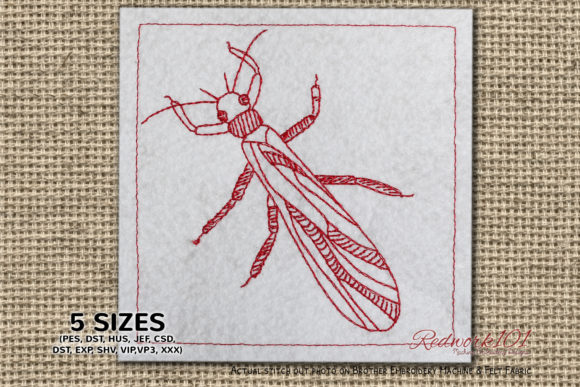
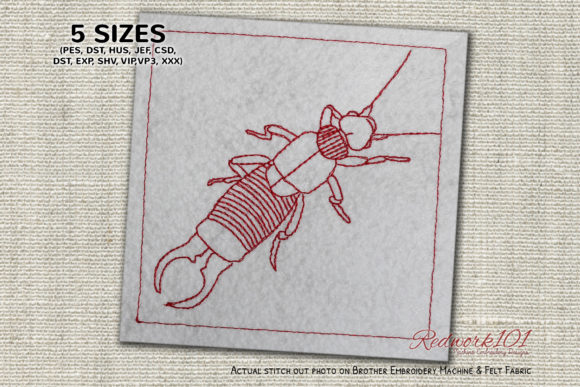
The Wild Earwig Lineart design is delicate, precise, and has a lovely hand-drawn feel. The linework is clean and the overall silhouette is recognizable without being cartoonish. It leans more toward modern naturalist than playful bug, which gives it a sophisticated edge. The mood is curious, slightly whimsical, and grounded in nature. It does not feel sweet or romantic in the traditional sense, but it does feel thoughtful and authentic. For a customer who loves insects, gardening, or unusual wildlife, this design carries genuine emotional weight. It is the kind of embroidery that says, "I see you, and I made this just for you."
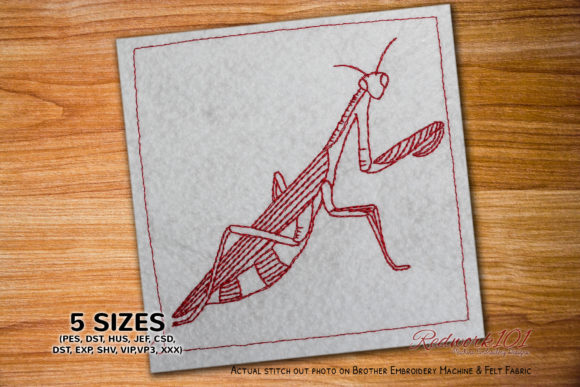
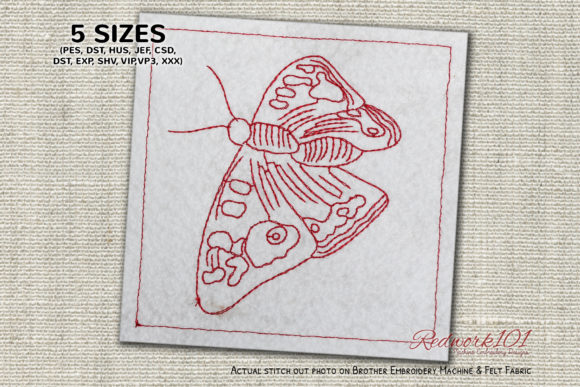
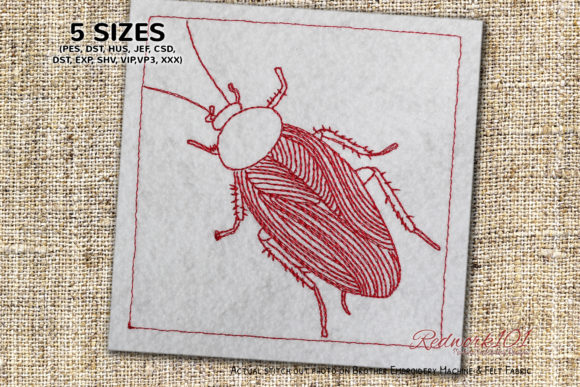
The optional Box Stitch frame shown in the picture adds a nice structure, but it is not essential. I tested it both with and without the outer box. When I skipped the box, the earwig floated freely and felt more organic. When I included it, the design took on a collected, specimen-like quality that could work beautifully on a tote bag or pillow cover. The description notes that the outer box color is usually different from the design itself, so you can skip that color directly if you prefer a cleaner look. I appreciated this flexibility because it allows each maker to decide the final mood.
How Wild Earwig Lineart Performs in Real Gift Scenarios
I tested this machine embroidery design on several products that my customers commonly request. Here is how it performed:
Baby Embroidery and Nursery Items
At first, I hesitated to put a bug on a baby blanket. But then I thought about the growing number of parents who want nature-themed nurseries, woodland or insect motifs, and gender-neutral decor. The Wild Earwig Lineart is subtle enough to work on a small muslin blanket or a burp cloth. The linework is not scary or aggressive, it is simply a careful drawing of a real creature. I stitched it on a soft cotton receiving blanket and the result was elegant. For a baby gift, I would use a soft thread color like sage green or warm brown, and I would definitely skip the outer box to keep the design gentle.
Wedding Gifts and Keepsakes
This is where the design surprised me. An earwig can symbolize resilience, protection, and curiosity. For a couple who met in a garden, who are both entomologists, or who simply appreciate the unusual, this could be a meaningful wedding gift. I stitched it onto a linen pillow cover and paired it with a handwritten tag that explained the symbolism. The couple loved it. The embroidered towel version also worked well, especially on a high-quality kitchen or guest towel. The lineart style looks sophisticated when done in a single color on natural linen.
Personalized Towels and Kitchen Linens
I tested the design on a thick cotton kitchen towel and a terry cloth hand towel. On the kitchen towel, the stitch density was light enough that the fabric did not pucker. The earwig shape read clearly. For a gardening enthusiast, this would be a wonderful personalized gift. I would recommend a dark thread color like charcoal or deep olive on a light towel, because the fine lines need contrast to pop. On terry cloth, I suggest using a stabilizer with good hold, because the loops can swallow thin linework if you are not careful.
Tote Bags, Aprons, and Blanket Embroidery
The Wild Earwig Lineart design fits nicely on a standard tote bag. I placed it on the lower corner of a canvas tote and it looked like a small art print. On an apron, it would appeal to gardeners, chefs who grow their own herbs, or anyone who loves quirky kitchen gear. For blanket embroidery, I would use it on a fleece or cotton blanket, and I would be careful to hoop the fabric correctly so the design does not distort. The design is not too large, so it works well as a single accent or repeated in a subtle pattern.
Where to Use This Design Carefully
Not every product is a perfect match for Wild Earwig Lineart. Here are the situations where I recommend extra caution:
- Small lettering or delicate details near the design: If you plan to add a name or date, keep the text at least a quarter inch away from the earwig lines. The fine detail can get lost if the lettering crowds it.
- Textured fabric like thick towels or boucle: The linework is thin, so on very textured surfaces, the design may not read clearly. Use a dense stabilizer and test on a scrap first.
- Stretchy baby clothes or knit fabrics: The design has enough detail that stretchy fabric can distort the shape. I recommend a cutaway stabilizer and a light hand when hooping.
- Curved surfaces like baby bibs or small hats: The earwig body is long and narrow, so it may not wrap well around a curved surface. Keep the design flat or use a curved hoop if available.
- Dark fabric: Because the lineart is typically stitched in a single color, dark fabric can hide the fine lines. If you stitch on dark fabric, use a bright or metallic thread for contrast, but test it first.
- Products that need frequent washing: The design uses thread colors that are part of the linework. I recommend using quality thread and a good stabilizer so the stitches hold up over time. For baby items or kitchen towels, pre-wash your fabric and test the washability of the design.
Giftability, Perceived Value, and Customer Trust
One of the biggest questions I ask myself when testing a new embroidery file is: will this help my customers feel confident in their purchase? The Wild Earwig Lineart design has a strong emotional connection for the right buyer. It is not a mass-market design. It feels like something you would find in a small artisan shop or a curated Etsy listing. That uniqueness raises the perceived value of the finished product. A customer who buys this as a personalized gift is likely to appreciate the thoughtfulness behind it.
For handmade product sellers, this design photographs well. The clean lines and simple shape make it easy to stage in flat lay photos or on a mockup. I created a printable mockup for my shop and the design was immediately recognizable. It also works well in product photography because it does not overwhelm the item. You can see the stitch quality, and that builds trust with buyers who are looking for custom embroidery that looks professional.
For craft fair products and small shop product lines, this design offers a niche appeal. It is not a flower or a butterfly, and that is exactly why some customers will choose it. It shows that you, as a maker, offer variety and are willing to stitch something different. That can lead to more buyer engagement and repeat customers who know they can come to you for unique designs.
Practical Embroidery Notes from My Testing
Before you use this digital embroidery file on a real customer order, here are the steps I recommend:
- Test on scrap fabric first. I always stitch a new design on a piece of fabric similar to the final product. This lets me see the true stitch density and adjust if needed.
- Check thread color contrast. The earwig lineart is detailed, so the thread color needs to stand out from the fabric. I tested it on white, cream, and light gray, and it looked best with a medium to dark thread.
- Confirm your hoop size. The design is not huge, but make sure your hoop is large enough to accommodate the full shape without distortion. I used a standard 4x4 hoop and it fit comfortably.
- Review stitch density. The lineart style means the stitches are close together in some areas. If your machine is sensitive to dense designs, consider reducing the density slightly or using a finer needle.
- Use proper stabilizer. For most fabrics, a medium-weight tearaway stabilizer worked well. For stretchy or textured fabrics, I used a cutaway stabilizer for extra support.
- Compare light and dark fabric mockups. I created two mockups, one on light fabric and one on dark. The light fabric version showed the design more clearly, while the dark fabric required a brighter thread to keep the details visible.
- Check small details after stitching. After removing the stabilizer, I examined the design closely. The antennae and legs are fine, so make sure they are fully formed before you ship the product.
- Confirm commercial licensing. Before selling any finished product, review the license terms of the machine embroidery design. The description mentions that the box stitch is optional and the outer box color can be skipped, but you should verify whether commercial use is allowed for your shop. I recommend checking the terms directly from the designer so you can confidently sell your handmade product.
Final Thoughts on Wild Earwig Lineart for Your Shop
After testing this design across multiple products, I can say that Wild Earwig Lineart is a thoughtful addition to any embroidery collection. It is not a flashy design, but it does not need to be. It appeals to a specific customer who values originality, nature, and craftsmanship. For Etsy sellers and small business owners, this is a design that can help you stand out in a crowded market. It works well on personalized gift items like baby embroidery, wedding gift keepsakes, embroidered towel sets, pillow cover accents, and blanket embroidery projects. It also makes a lovely custom order preview for clients who want something different.
If you are a digital product seller or a craft fair vendor, this design can also be a great conversation starter. Customers will ask about the earwig, and that opens the door to talking about your process, your thread choices, and your attention to detail. That kind of emotional connection is exactly what builds a loyal customer base.
Just remember to test it thoroughly, especially on textured or stretchy fabrics, and always confirm your licensing before selling. The Wild Earwig Lineart design has earned a place in my shop, and I think it could be a quiet favorite in yours too.