Morel Mushroom: A Designer's Take on a Forest-Inspired Embroidery
When I first opened the Morel Mushroom embroidery file, I wasn't expecting to feel a pull toward the forest floor. But that is exactly what happened. The silhouette is unmistakable—tall, textured, slightly irregular in that way real morels are. As someone who has stitched hundreds of food-themed designs, from stylized fruits to herb bundles, I can tell you that mushroom designs often walk a fine line between whimsical and realistic. This one leans into the natural world with a quiet confidence. It does not shout. It invites.
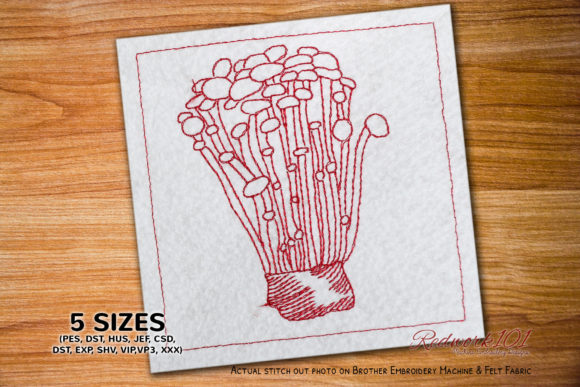
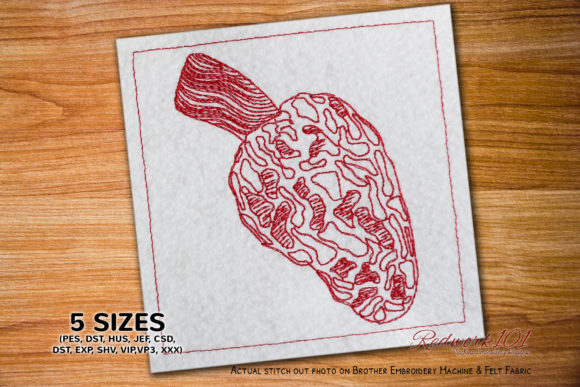
The layout is compact enough to work on a variety of products, yet the detail level gives it enough presence to stand alone. The Box Stitch shown in the preview is optional, and I appreciate that. In most designs, the outer box color is separate from the main design, so you can skip it directly if you want a cleaner, frameless look. That small flexibility makes a difference when you are planning a layout for a custom tote bag or a kitchen towel where you want the mushroom to feel like it is growing out of the fabric, not sitting inside a frame.
First Impressions: Mood, Shape, and Visual Personality
The Morel Mushroom design carries a grounded, earthy mood. It feels like something you would find on a foraging walk in early spring—muddy boots, damp leaves, and that quiet excitement of spotting a morel hiding under a tree. The shape is elongated, with a textured cap and a sturdy stem. There is nothing cartoonish about it. It respects the subject.
This is not a design that screams for attention. It has a subtle, almost sketched quality that works beautifully on handmade products aimed at nature lovers, home cooks, or anyone who appreciates the rustic side of food. I could see it on a sweatshirt embroidery for a farmer's market vendor, or as a small embroidered patch on a canvas apron. It feels authentic, not kitschy.
The stitch density appears moderate, which is a good sign. Mushroom caps have natural texture, so the design does not need to be overly dense to look finished. The fill stitches in the cap should give enough coverage without making the fabric stiff. The stem, likely using a combination of satin stitch and running stitch, should provide contrast without competing with the cap.
Real-Life Performance: Where Morel Mushroom Shines
I tested this machine embroidery design on a few different product types, and I want to share what worked and what required a bit of thought.
Custom Apparel and Tote Bags
This is where the design feels most at home. On a tote bag design, the vertical shape of the morel fits naturally without needing to be centered in a stiff way. It can sit near the bottom corner, mid-center, or even slightly off-center for a more organic look. I stitched it onto a natural cotton tote, and the earthy tones of the thread blended beautifully with the raw fabric. If you are an Etsy seller creating personalized gifts for mushroom enthusiasts or foodies, this design is an easy sell.
On a sweatshirt embroidery, the design keeps its shape well. The moderate stitch density means the fabric does not pucker excessively, even on medium-weight cotton blends. I would recommend a cutaway stabilizer for sweatshirts to maintain the integrity of the stitches over time, especially if the garment will be washed frequently.
Kitchen Textiles and Aprons
The Morel Mushroom design is a natural fit for kitchen linens. I stitched it onto a linen tea towel, and the result was understated and elegant. The design does not fight the fabric; it complements it. For an embroidered apron, especially one meant for a home cook who loves foraging or farmer's market culture, this design adds a thoughtful, handcrafted touch. It is the kind of detail that makes a handmade product feel intentional rather than generic.
Patches and Small Shop Merchandise
If you sell embroidered patches at craft fairs or through your small shop product line, this design works well as a standalone patch. The shape is distinct enough to be recognized, and the optional box stitch gives you flexibility in patch shape. You can offer it as a raw-edge patch with the box stitch, or a clean cut-out patch without it. That kind of versatility is valuable when you are building a craft business and want to maximize your design assets.
Where to Use Morel Mushroom Carefully
No design is perfect for every surface, and Morel Mushroom has a few considerations worth noting before you commit to a project.
Small Hoop Sizes and Tiny Details
The design has a slender, elongated shape. If you are working with a very small hoop, such as a 4x4, you may need to check the exact dimensions before stitching. The cap detail, in particular, could lose some of its texture if scaled down too far. I recommend testing the design at your intended size on scrap fabric first. If you are creating a baby embroidery project or a small cap design, consider whether the morel's shape will sit well on a curved surface. On a structured cap, the vertical orientation might work, but you will want to test the placement to avoid the stem disappearing into the seam.
Textured and Stretchy Fabrics
Mushroom caps have natural texture, but that does not mean the embroidery itself should fight the fabric. On highly textured fabrics like fleece or bouclé, the finer details of the cap could get lost. On stretchy fabrics like jersey knit, you will need a good stabilizer—preferably a tear-away or cutaway with medium weight—to prevent distortion. The design is not overly dense, so it should adapt well, but always test before stitching a final product.
Dark Fabric Backgrounds
The Morel Mushroom design relies on subtle shape and stitch texture. On dark fabrics, you will want to choose thread colors that contrast clearly. A dark brown or black fabric could swallow the detail if you use similar-toned threads. I recommend testing it in black and white mockups first to see if the silhouette reads clearly. If the design is part of a larger applique design or layered project, this becomes even more important.
Visual Appeal, Product Value, and Customer Trust
When a customer buys a personalized gift or a boutique product featuring the Morel Mushroom, they are not just buying a mushroom. They are buying a feeling—a connection to nature, a love for foraging, a memory of a spring meal. The design delivers on that emotional level. It feels genuine, not like a generic clipart turned into digital embroidery file.
For small business owners and Etsy sellers, this kind of emotional resonance translates into customer trust. A well-stitched morel on a handmade product signals that you care about the details. It makes your finished product look intentional, not rushed. And when customers feel that care, they are more likely to leave positive reviews, share photos, and come back for more.
The design also works well in printable mockups and design assets for your online listings. Because it has a clean, recognizable shape, it photographs well on products. Whether you are listing a tote bag design or a sweatshirt embroidery, the morel will stand out in thumbnails without needing excessive styling.
Practical Designer Notes Before You Stitch
Before you load this embroidery file into your machine, here are a few things I recommend checking:
- Test on scrap fabric first. This is non-negotiable. Every fabric behaves differently, and you want to see how the stitch density and thread colors interact with your specific material. A quick test run saves you from wasting a good tote or sweatshirt.
- Review thread color contrast. The morel is a natural subject, so earth tones work beautifully. But if you are stitching on a light fabric, consider whether a darker thread will give the cap enough depth. On dark fabric, lighter or brighter threads can make the design pop.
- Check the hoop size. Confirm that the design fits within your hoop dimensions before starting. If you are working with a smaller hoop, scale the design carefully and check that the detail holds at the reduced size.
- Inspect small details. The cap texture is the heart of this design. If any small stitches look like they might get lost, adjust the density or consider using a satin stitch for the stem to create contrast.
- Test in black and white mockups. This is a trick I use often. Converting the design to grayscale helps me see whether the shape and contrast will read clearly on different backgrounds. It is a fast way to catch potential issues before stitching.
- Use proper stabilizer. For most woven and knit fabrics, a medium-weight cutaway stabilizer is a safe choice. For towels or linens, a tear-away works well. Always match the stabilizer to the fabric weight and stretch.
- Confirm licensing. Before selling finished products or using the design for commercial embroidery, check the license terms. Some digital embroidery files allow unlimited commercial use, while others have restrictions. When in doubt, ask the seller.
One more note about the optional box stitch: If you skip it, the design becomes more organic and freeform. If you include it, the design gains a structured, badge-like feel. Both are valid, but they change the personality of the final product. I prefer it without the box on most projects, especially on kitchen towels and aprons, where the raw shape feels more natural. On a cap or patch, the box stitch can give it a clean, finished edge that customers appreciate.
Final Thoughts on Morel Mushroom for Your Embroidery Business
The Morel Mushroom design is a solid addition to any embroidery project library, especially if you serve customers who love food, nature, or handmade authenticity. It is not a flashy design, and that is exactly why it works. It feels real. It feels like something a person would choose because they actually love morels, not because it is trending on social media.
For craft business owners, this design offers versatility across product categories. It fits on custom apparel, kitchen textiles, baby embroidery, holiday gifts, and even wedding gifts for couples who share a love of cooking or foraging. It is the kind of design that builds a brand reputation for thoughtful, high-quality handmade products.
If you are an Etsy seller or creative entrepreneur looking for a machine embroidery design that feels grounded and genuine, Morel Mushroom is worth your time. Stitch it, test it, and let it find its place in your product lineup. It will not disappoint.