Pterygota Redwork: A Craft Fair Booth Review
When I'm prepping for a weekend craft fair, every machine embroidery design I choose has to earn its place in my production queue. It needs to stitch out cleanly, appeal to a wide range of shoppers, and look like a premium finished product without eating up all my profit margins. I recently took a close look at Pterygota Redwork, and I want to share my real-world review from the perspective of an experienced embroidery designer who makes a living at handmade markets.
First Impressions: Vintage Charm Meets Botanical Precision
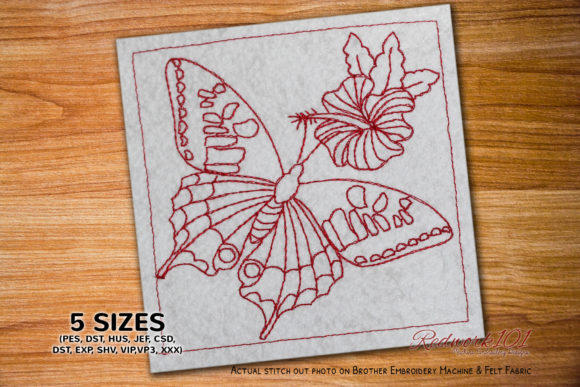
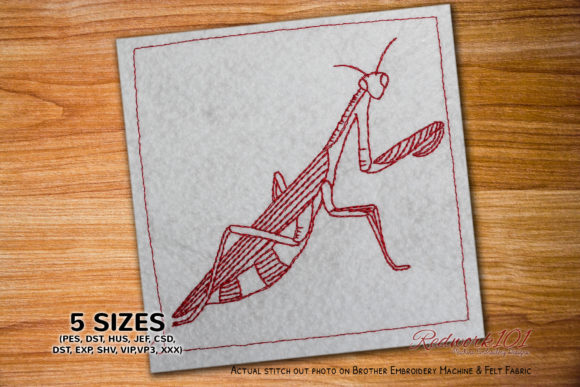
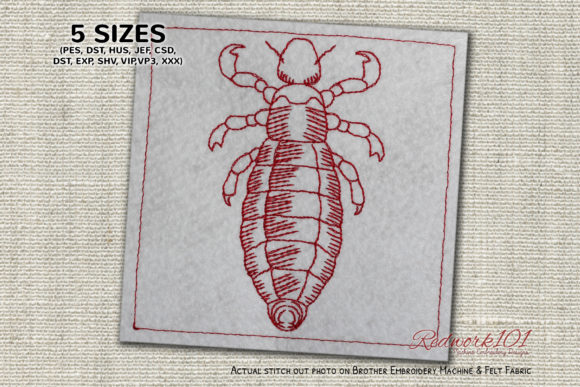
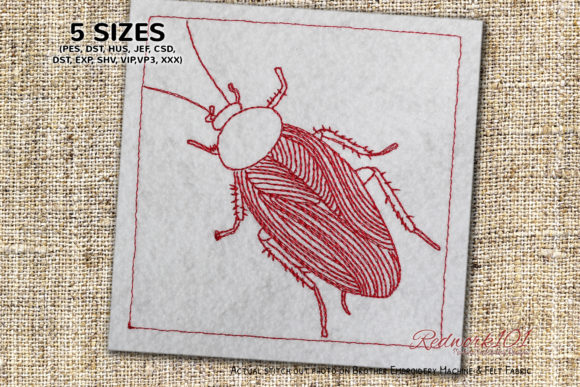
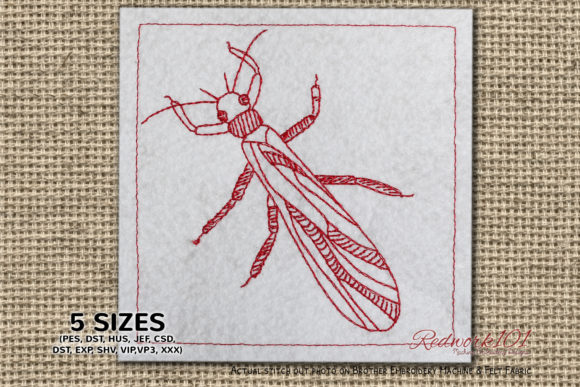
Right away, the name tells you what you're getting: a redwork embroidery design. This instantly evokes a classic, folk-art, or farmhouse aesthetic. It's minimal, elegant, and historically rich. The product category is Bugs, but this isn't the kind of design that will scare away your customers. It's an artistic, almost scientific illustration style. This makes it perfect for the "nature lover" or "botanical enthusiast" niche, which is a highly engaged and loyal customer base at handmade markets.
The description mentions an optional Box Stitch. This is a huge selling point for a craft fair product. It gives the design incredible versatility. On its own, the bug is a soft, modern accent. With the box, it becomes a structured, framed piece of art perfect for tea towels and pillows. The ability to "skip the color directly in your" machine or software means you can easily offer both versions without buying a separate embroidery file. This is a massive win for production efficiency.
How It Performs on Real Craft Fair Products
I mentally ran through my standard product lineup to see where Pterygota Redwork would fit best. It’s not often a single design works so seamlessly across different blanks.
- Tote Bags and Market Bags: This is a natural fit. A single redwork bug centered on a natural canvas tote bag is a guaranteed seller. It's fast to stitch, lightweight, and looks incredibly high-end. It's a perfect tote bag design for the eco-conscious, nature-loving customer.
- Tea Towels and Aprons: This is where Redwork truly shines. The high contrast of rich red thread on a crisp white or cream tea towel is a classic craft fair staple. The optional box stitch gives it a "finished" heirloom quality that adds perceived value. This is an excellent tea towel embroidery project, and the apron embroidery possibilities are endless.
- Embroidered Patches: The relatively low stitch density of Redwork makes it ideal for patches. It keeps the patch flexible and lightweight, perfect for stitching onto jean jackets, backpacks, or canvas bags. An embroidered patch of this design would sell well on its own or as an add-on at your booth.
- Pillow Covers and Pouches: A decorative pillow with a framed Pterygota Redwork design in the center would appeal to the home décor shopper. It's subtle enough for a modern minimalist but charming enough for a rustic farmhouse aesthetic.
- Caps: Intricate Redwork on a cap can be tricky if too dense, but this design’s open, airy nature means it should digitize beautifully for curved surfaces, provided the hoop size is appropriate.
Production Practicality: What Every Seller Needs to Know
As a small shop product, Pterygota Redwork scores high on practicality. The stitch count is likely moderate, meaning faster sew-outs and fewer thread changes. This is critical when you're making 20 of the same item for a market. Because it's a Redwork design, it relies on clean, consistent lines. Here are some key production notes I considered:
- Fabric Texture: Avoid highly textured fabrics like thick linen or terry towels for the main design. A smooth quilting cotton, linen-cotton blend, or high-quality canvas will give you the crispest results. Fabric texture matters immensely for this style.
- Thread Colors: The classic choice is a vibrant red on white or cream. But don't be afraid to experiment. A brick red creates a more rustic, vintage feel, while a bright cherry red pops with modern energy. The simplicity of the thread colors makes it easy to batch produce.
- Dark Fabric: This design is frankly calling for light fabric. Red thread on dark fabric might lose the delicate "Redwork" charm unless you use a very bright, contrasting neon red or switch to a completely different color palette.
- Stabilizer: For towels and knits, use a tear-away or wash-away stabilizer. For denser fabrics or caps, a cut-away stabilizer is non-negotiable to prevent warping and maintain stitch integrity.
- Small Details: Check the digitizing for the bug's legs and antennae. Ensure they are wide enough to be captured by the needle without breaking or becoming distorted. Always test the smallest size you plan to offer.
Visual Appeal, Booth Display, and Online Listings
This design bridges the gap between "cute" and "sophisticated." It appeals to the nature lover, the vintage enthusiast, and the modern minimalist. At a craft fair, you can group displays by color. A white tablecloth with redwork items creates a stunning, cohesive booth that stops shoppers in their tracks. A customer picks up a tea towel, notices the framed redwork bug, and immediately asks if you have it on a pillow cover. This is the power of a strong, versatile design asset. It creates a product line, not just a single item.
How does Pterygota Redwork perform in different sales channels? For your Etsy seller shop, the high contrast of red on white is a dream for photography. It requires minimal styling to look professional. Printable mockup assets of this design on tote bags and tea towels will look incredibly clean and drive clicks. For in-person craft fairs, the design's simplicity allows the handcrafted quality of your stitching to take center stage. Customers can see the clean lines and feel the texture of the thread, which builds trust in your brand and drives buyer engagement.
Practical Embroidery Designer Notes and Final Verdict
Before you stitch 50 items for a show, here is my standard checklist for any new machine embroidery design:
- Test on Scrap Fabric: Hoop up some scrap fabric identical to your final product. Run the design. Check the stitch density. Is it too loose? Too tight? Redwork should be smooth and flat.
- Check Thread Contrast: Stitch it out in your chosen red on your base fabric. Make sure it pops the way you want it to.
- Review Spacing: Ensure the bug's legs and antennae are wide enough to be captured by the needle without breaking.
- Confirm Hoop Size: Make sure the design fits your most common hoop size. A 4x4 or 5x7 hoop is ideal for fast production.
- Confirm Commercial Licensing: The description doesn't explicitly state the license terms. As a responsible commercial embroidery business owner, you must verify with the seller if production for craft fairs is allowed. Never assume.
In conclusion, Pterygota Redwork delivers excellent handmade quality and brand consistency. It's a design that generates strong buyer engagement because it's familiar yet unexpected. Whether you are a Cricut and embroidery crafters enthusiast looking for your next project or a seasoned commercial embroidery professional, this design deserves a spot in your production queue. It's a true asset for turning a simple finished product into a memorable, sellable piece of art at your next handmade market.