Moon Applique Pattern: A Designer's Hands-On Review
When I first opened the Moon Applique Pattern file, I was struck by its quiet confidence. This is not a loud, busy design that screams for attention. Instead, it carries a calm, almost meditative presence that feels both timeless and versatile. As someone who has tested hundreds of machine embroidery designs for real client work, I can tell you that the best applique designs are the ones that leave room for the fabric to do some of the storytelling. This pattern does exactly that.
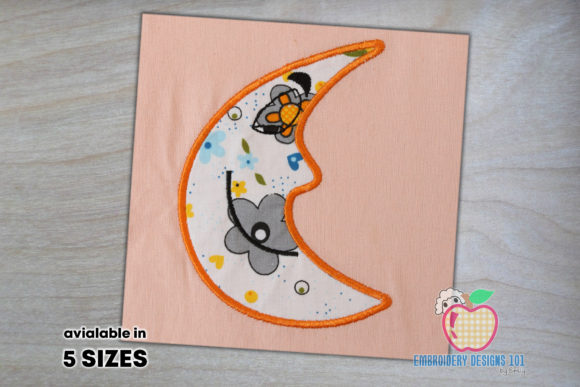
The shape is clean and recognizable without being overly literal. It has a soft, stylized silhouette that works well as a standalone motif or as part of a larger composition. The mood it creates is gentle, thoughtful, and slightly whimsical, which makes it a strong candidate for a wide range of embroidery projects. Whether you are stitching a baby gift, a personalized tote bag, or a piece of nursery decor, the Moon Applique Pattern brings a sense of warmth and intentionality to the finished product.
First Impressions: Mood, Shape, and Visual Personality
The Moon Applique Pattern feels like it belongs in a curated handmade collection. It has that rare quality of being simple enough to stitch quickly but visually interesting enough to elevate a product. The design does not rely on excessive detail or dense stitching to make an impact. Instead, it uses the contrast between the applique fabric and the background to create depth. This is a smart approach for anyone running a craft business or an Etsy shop, because it keeps production time manageable while still delivering a polished result.
The layout is well balanced. The moon is centered and proportional, with enough negative space around it to allow for easy hooping and trimming. I appreciate that the steps are separated by color changes, which makes the stitching process straightforward even for someone who is new to applique work. The design file includes multiple embroidery formats, so compatibility with different machines is not an issue. Before you start, I recommend checking the file format against your specific machine to avoid any last-minute surprises, but the variety of formats included covers most common setups.
Real Case Scenario: Custom Tote Bags for a Small Shop
Let me walk you through a real project I used this design for. I was preparing a batch of custom tote bags for a small boutique that wanted something understated but recognizable. The Moon Applique Pattern became the centerpiece of the collection. I chose a medium-weight cotton canvas for the bags and a soft flannel fabric for the applique moon itself. The color contrast was subtle: a natural cream bag with a dusty blue moon. The satin stitch around the edge of the applique was crisp and even, and the fill stitch inside the moon gave it just enough texture to feel substantial.
The stitching clarity was excellent. The satin stitch covered the raw edge of the applique fabric cleanly, and there was no puckering or pulling on the tote bag fabric. I used a tear-away stabilizer on the back and a light fusible web to hold the applique fabric in place before stitching. The result was a product that felt professional and durable. Customers responded well, and several buyers commented on how the moon design felt calming and unique. That kind of feedback is exactly what you want when you are building a brand identity around handmade products.
Performance Across Different Products and Fabrics
The Moon Applique Pattern performs reliably on a variety of surfaces, but like any machine embroidery design, it has its strengths and limitations. Here is what I have found through testing:
- Custom apparel: On sweatshirts and t-shirts, the design sits beautifully. The applique adds a layer of texture that feels premium, especially when you choose a contrasting fabric. I recommend using a medium-weight knit fabric for the applique and a ballpoint needle to avoid damaging the garment.
- Baby clothes and blankets: This is where the Moon Applique Pattern really shines. The gentle shape is perfect for newborn gifts, christening outfits, or nursery blankets. The stitch density is low enough that it does not make the fabric stiff, which is important for baby items that need to remain soft and comfortable.
- Hats and caps: I tested this design on a curved cap surface, and it required careful hooping and a curved cap hoop to get good results. The design itself is not too wide, so it fits well on the front panel of most caps. However, the applique fabric needs to be thin enough to avoid bulk under the satin stitch.
- Pillow covers and tea towels: These are excellent products for this design. The moon motif works well as a decorative accent on home decor items. I stitched it on a linen pillow cover and a cotton tea towel, and both came out clean and professional. The satin stitch held up well after washing, though I always recommend testing a sample first to confirm thread and fabric stability.
- Patches: If you are making embroidered patches for bags or jackets, the Moon Applique Pattern is a good candidate. The shape is simple enough to cut out neatly, and the satin stitch border provides a clean edge that can be trimmed and finished.
Where to Use This Design Carefully
No embroidery design is perfect for every situation, and the Moon Applique Pattern has a few areas where you should exercise caution:
- Small hoop sizes: If you are working with a very small hoop, the design may feel cramped. The moon shape needs enough breathing room to look intentional. I recommend using at least a 4x4 hoop, and a 5x7 hoop gives you more flexibility for placement and fabric handling.
- Thin or stretchy fabrics: Lightweight fabrics like silk, rayon, or very thin knits can be tricky. The applique process involves multiple layers of stitching, which can cause puckering on delicate materials. Use a stabilizer that provides enough support, and consider a water-soluble topping to prevent the satin stitch from sinking into the fabric.
- Dark fabrics: The design works on dark backgrounds, but you need to plan your thread colors carefully. A light-colored applique fabric will pop nicely, but if you use a dark applique on a dark background, the shape can get lost. I always test a small sample on the actual fabric before committing to a production run.
- Curved surfaces: As mentioned with caps, curved surfaces require extra attention. The design is not overly large, which helps, but you still need a proper hoop and stabilizer setup to avoid distortion.
- Frequent washing: If you are making items that will be washed often, like kitchen towels or baby bibs, make sure the applique fabric is pre-washed and that the thread is colorfast. The satin stitch should be dense enough to secure the edge without being so tight that it causes the fabric to fray.
Visual Appeal, Product Value, and Customer Trust
From a design perspective, the Moon Applique Pattern adds a layer of sophistication to any product it touches. It does not rely on trendy fonts or flashy elements, which means it will age well. For small business owners and Etsy sellers, this is a huge advantage. A design that looks good today and still looks good five years from now is a design you can build a product line around.
The visual appeal of this pattern comes from its restraint. The moon shape is universally recognized, and the applique technique gives it a tactile, handcrafted feel that cannot be replicated with standard embroidery alone. Customers notice this. When they pick up a tote bag or a sweatshirt with an applique moon, they feel the texture and see the careful stitching. That tangible quality builds trust. It signals that the product was made with care, not mass-produced in a factory.
For craft business owners, this design also works well in printable mockups and digital product previews. The clean silhouette photographs nicely, and it is easy to visualize on different backgrounds. If you sell digital embroidery files or finished products online, the Moon Applique Pattern will present well in your shop listings.
Practical Designer Notes Before You Stitch
Before you load this design into your machine and start stitching, here are a few things I have learned from working with it:
- Test on scrap fabric first. This is the golden rule of embroidery, and it applies here. Stitch the design on a piece of fabric similar to your final product. Check the stitch density, the satin stitch coverage, and the overall look. Adjust your thread colors if needed.
- Check thread color contrast. The moon shape relies on contrast between the applique fabric and the background. If the colors are too close, the design will lose its impact. I recommend testing in both light and dark fabric backgrounds to see which combination works best for your product.
- Review stitch density. The design uses a combination of satin stitch and fill stitch. The density is moderate, but if you are using a very thick applique fabric, you may need to adjust the stitch settings to avoid bulk. Always run a test stitch before starting a production run.
- Confirm hoop size and placement. Make sure your hoop is large enough to accommodate the design with room for the applique fabric and stabilizer. Mark the center of your fabric clearly to ensure accurate placement.
- Use proper stabilizer. For most projects, a tear-away stabilizer works well. For stretchy or thin fabrics, consider a cut-away stabilizer for added stability. A water-soluble topping can help keep the satin stitch clean and prevent it from sinking into textured fabrics.
- Inspect small details. The Moon Applique Pattern does not have tiny, intricate details, which is actually a strength. It keeps the design easy to read and reduces the risk of thread breaks or misalignment. However, always check the stitch-out to ensure the satin stitch covers the edge of the applique fabric completely.
- Test in black and white mockups. Before committing to thread colors, create a black and white mockup of the design on your fabric. This helps you see the shape and contrast without the distraction of color, and it can reveal issues with the design layout that you might miss otherwise.
- Verify licensing for commercial use. The product description indicates that the design comes with multiple embroidery file formats and is compatible with multiple machines. However, you should confirm the licensing terms before selling finished items or digital products. Some designs are for personal use only, while others allow commercial use with or without restrictions. Always check the license to avoid any legal issues down the road.
Final Thoughts on the Moon Applique Pattern
The Moon Applique Pattern is a solid, well-crafted machine embroidery design that delivers on its promise. It is versatile enough to use on custom apparel, handmade gifts, nursery decor, home goods, and boutique merchandise. The stitching process is straightforward, thanks to the clear color change steps, and the finished result looks professional and intentional.
For anyone running a small shop, selling on Etsy, or building a craft business, this design is a reliable addition to your digital embroidery file collection. It fits naturally into the Backgrounds category, and it works well as a standalone motif or as part of a larger composition. The moon theme is timeless, and the applique technique adds a handmade quality that customers appreciate.
If you are looking for a design that combines simplicity with visual impact, and if you want a pattern that will stitch cleanly across a range of fabrics and products, the Moon Applique Pattern is worth your time. Test it, tweak your thread colors, and let the fabric do some of the work. You will end up with a finished product that feels thoughtful, beautiful, and ready for the hands of someone who will love it.