Diamond New Year Pattern Redwork: A Design Review for Small Business Merch
As a professional embroidery designer who spends countless hours digitizing and test-stitching designs for small businesses, I know the difference between a file that looks pretty on screen and one that performs beautifully in production. The Diamond New Year Pattern Redwork machine embroidery design is one I’ve recently put through its paces. Categorized under Backgrounds, this digital embroidery file offers far more than just a decorative backdrop. It is a versatile asset that can elevate a small business’s brand identity when used strategically for custom apparel, embroidered patches, and branded merchandise.
First Impressions: Visual Personality and Business Fit
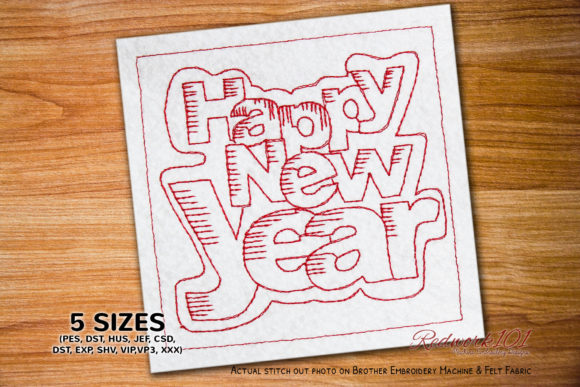
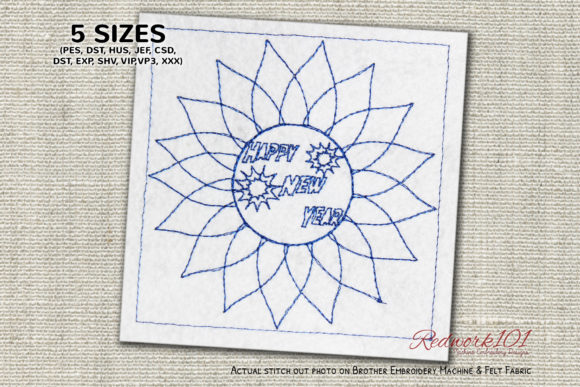
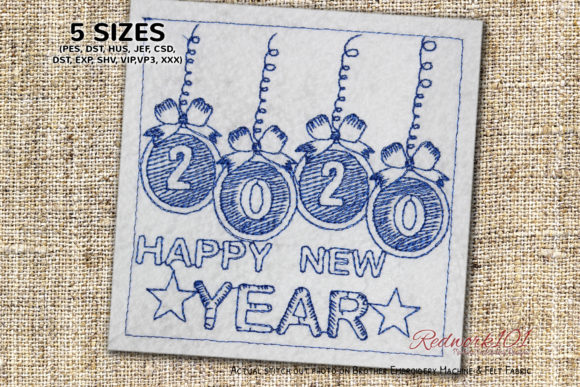
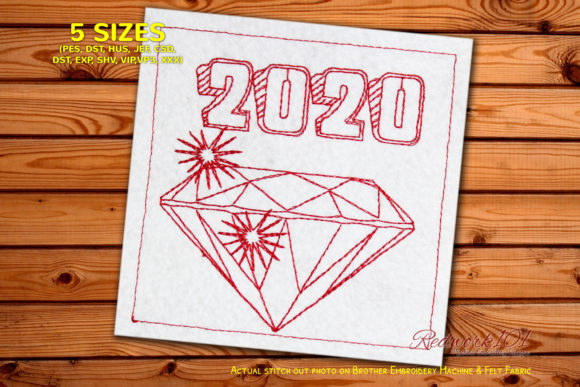
The Diamond New Year Pattern Redwork immediately strikes a balance between classic handcrafted charm and structured, modern geometry. The "redwork" style traditionally evokes a sense of heritage, quality, and meticulous attention to detail—exactly the kind of associations a premium boutique, artisan bakery, or creative studio wants to project. The diamond motif provides a clean, repeating framework that feels both elegant and approachable, making it a strong candidate for small business merch.
The optional Box Stitch offers a fantastic layer of customization. For a florist or a pet brand, skipping the box or using a contrasting color for the outer border can make the design feel less rigid and more organic. For a high-end coffee roaster or a creative studio, the structured box stitch reinforces professionalism and order. This flexibility is a huge win for business owners who want a cohesive look across different product lines, from custom aprons to tote bag designs.
Real-World Applications: From Embroidered Patch to Product Label
Over the years, I’ve seen Diamond New Year Pattern Redwork used in brilliantly creative ways as a cornerstone of a handmade product lineup. Here is where it performs best in a commercial embroidery setting:
- Embroidered Patches: This is a standout application. The clean diamond pattern translates beautifully into sew-on or iron-on patches for aprons, bags, and jackets. The optional box stitch acts as a perfect border, eliminating the need for merrowed edges and giving the patch a finished, premium look.
- Staff Uniforms & Aprons: For a café or bakery, a small version of this design on the chest or sleeve of an apron adds a layer of sophistication. It tells customers, "This is a brand that cares about the details." Apron embroidery using this pattern feels both professional and inviting.
- Caps & Tote Bags: The structured diamond pattern sits naturally on the front of a cap or the center of a tote bag. It acts as a signature mark, subtly reinforcing the brand with every wear. The cap embroidery option is particularly strong if you skip the box stitch to allow the pattern to curve gently.
- Product Packaging & Branded Accents: Imagine a small fabric label stitched with this pattern attached to a handmade candle or a jar of honey. It elevates the product from "homemade" to "handcrafted small-batch premium." This is a powerful tool for Etsy sellers and handmade brands.
- Event Merch & Customer Gifts: New Year's Eve parties, anniversary celebrations, or seasonal promotions. The Diamond New Year Pattern Redwork can be used to create limited-edition custom apparel and merch that feels celebratory and exclusive.
Where to Exercise Caution: Production Realities
No design is perfect for every application. Here is where the Diamond New Year Pattern Redwork needs careful consideration to ensure a high-quality finished product:
- Small Patch Sizes: Redwork relies on linework. If you scale the design down too aggressively (e.g., under 2 inches), the fine lines of the diamond pattern can become muddled or create high stitch density. Always test at your intended finished size before committing to a bulk run.
- Cap Fronts & Curved Surfaces: The optional Box Stitch, if used, can create a stiff edge that may pucker on a curved cap front. A lighter stabilizer or skipping the box stitch is advisable for high-curvature garments to avoid distortion.
- Fabric Texture: This design performs best on stable, smooth fabrics like cotton twill, linen, or high-quality polyester. Highly textured fabrics like heavy fleece or nubby wool can disrupt the crispness of the redwork lines, making the design look messy.
- Dark Uniforms: Traditional redwork is red on a light background. For navy or black uniforms, you will need to carefully consider your thread colors. A bright red, white, or even a metallic gold thread can provide the necessary contrast, but always test the stitch density on dark fabric to ensure the design pops.
- Frequent Washing: For items like bar towels or aprons in a commercial kitchen, ensure the correct stabilizer is used and the thread tension is optimized. A poorly digitized redwork design can distort or pull the fabric over time.
Brand Identity and Customer Perception
In the world of small business, your brand identity is everything. The Diamond New Year Pattern Redwork communicates several key values instantly to your customers:
- Heritage & Quality: The redwork style inherently suggests a tradition of craftsmanship, building trust and a sense of authenticity.
- Attention to Detail: The geometric diamond pattern shows a commitment to precision and design, which reflects well on the products or services you offer.
- Premium Perception: Using a dedicated embroidery file for your merchandise creates a "finished product" that feels more valuable than a screen-printed shirt or a generic promotional item.
- Visual Consistency: Because the design is a repeating pattern, it can be cropped or scaled to fit various items—caps, aprons, bags—while maintaining a cohesive brand look. This visual consistency is key for customer recognition and buyer engagement.
Designer's Practical Checklist: Before You Stitch
Before you commit this design to a bulk production run for your small business merch, follow this practical checklist to ensure it performs as a reliable design asset:
- Test in Black and White: Check the structural integrity of the design. Does the spacing look balanced? Is the density uniform across the diamond pattern?
- Review Thread Color Contrast: The description notes that "the color of outer Box is different color." This is a great feature. Test the main redwork thread against your chosen garment color. Ensure the optional box stitch contrasts effectively without clashing.
- Inspect Spacing and Density: Redwork should breathe. The diamond pattern should have clear, open areas. If the stitches are too tight, the fabric will pucker and the design will lose its charm.
- Confirm Hoop Size: Know the exact dimensions of the design file. Choose a hoop size that allows at least 1-2 inches of fabric around the design for proper stabilization.
- Real Fabric Test: Never skip the test stitch. Use the exact fabric you plan to use for your custom apparel. Pair it with the correct stabilizer—cutaway for knits, tearaway for wovens.
- Create a Mockup for Client Approval: If you are an embroidery decorator, use a printable mockup to show the business owner how the Diamond New Year Pattern Redwork will look on their actual products. This builds trust and reduces errors before production.
- Compare with Other Design Assets: Does this design align with the business's existing logo, fonts, and colors? It should complement, not compete with, their primary brand identity.
- Confirm Commercial Licensing: Always check the licensing terms for the Diamond New Year Pattern Redwork embroidery file. Ensure you have the right to use it on merchandise for sale.
Why Diamond New Year Pattern Redwork Deserves a Spot in Your Lineup
The Diamond New Year Pattern Redwork is more than just a decorative Embroidery background. It is a thoughtfully designed file that, in the right hands, can become a cornerstone of a small business's merchandise strategy. Its blend of classic redwork charm and modern geometric structure offers immense flexibility for commercial embroidery projects. Whether you are a bakery owner looking to add a touch of elegance to your staff aprons, a boutique owner creating branded totes, or an embroidery decorator building a portfolio of premium patches, this design delivers. By paying attention to the production realities—testing thoroughly, respecting the fabric texture, and leveraging the optional box stitch—you can transform this digital file into a powerful, profit-generating asset for your brand or your clients' brands.