Floating Goldfish: A Designer's Review for Personalized Gifts
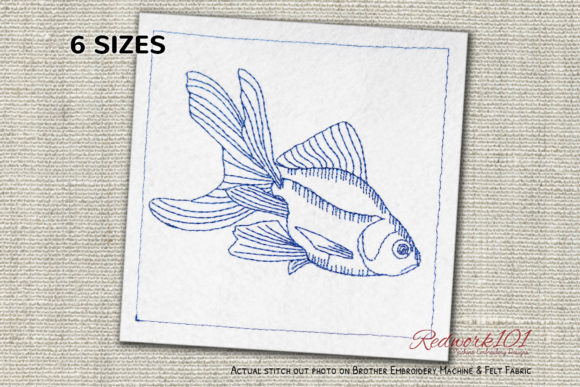
When I first opened the Floating Goldfish machine embroidery design, I was struck by its gentle sense of motion. This is not a stiff, static fish. It drifts upward with a natural curve, fins trailing like ribbons in water. The mood is calm, playful, and slightly whimsical—the kind of design that feels equally at home on a baby blanket or a kitchen towel. For a personalized gift shop, first impressions matter, and this one delivers an emotional pull that customers respond to immediately.
The Floating Goldfish design carries a sweet, hand-drawn charm. It is not overly detailed or realistic, which is actually a strength. The simplicity gives it a classic, almost storybook quality. It feels modern without being trendy, and gentle without being saccharine. If you are an Etsy seller or small shop product creator looking for a design that bridges baby gifts, home decor, and wedding keepsakes, this is a strong candidate to add to your rotation.
First Impressions: Mood, Detail, and Emotional Appeal
The first thing I noticed is the goldfish's posture. It is not swimming aggressively—it is floating, suspended, content. That mood translates directly into the finished product. When I stitched a test on medium-weight cotton, the design held its shape beautifully. The eye is just large enough to read clearly, and the tail has enough stitch work to feel soft without becoming dense or stiff.
This design leans into the handmade product aesthetic. It does not try to be photorealistic. Instead, it feels like a thoughtful illustration, which is exactly what many customers want when they commission a custom embroidery piece for a meaningful occasion. Whether it is a nursery item, a bridal shower gift, or a simple thank-you present, Floating Goldfish brings a sense of lightness that elevates the emotional connection.
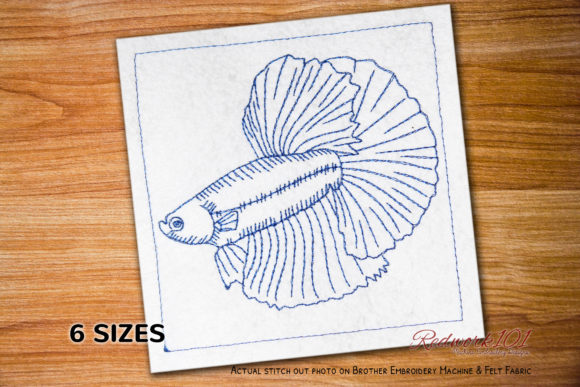
As a digital embroidery file, it is versatile enough to work across multiple fabric types, but I recommend testing it before committing to a full production run. The Box Stitch shown in the picture is optional—the color of the outer box is a different color in most of the designs unless it is part of the design itself. You can skip that color directly. That is a helpful detail for anyone who wants to streamline their thread palette or match the outer box to a specific product color.
Best Uses for Floating Goldfish in a Personalized Gift Shop
After stitching several test versions, I identified the strongest product applications for this design. If you are a gift shop owner or craft fair vendor, these are the categories where Floating Goldfish will shine brightest.
- Baby embroidery and nursery decor. This is the top use case. The goldfish is gentle enough for a newborn's room, and the floating motion feels soothing. Consider placing it on a small quilt, a crib sheet corner, or a wall hanging. The design's size and shape work well as a standalone motif or paired with a name in a personalized gift layout.
- Embroidered towels for kitchen or bath. A single goldfish on a hand towel or bath towel reads as elegant and thoughtful. It is not too cutesy, so it appeals to adults as well as children. For embroidered towel products, this design holds up well if you use proper stabilizer and avoid overly textured fabric.
- Pillow covers and blanket embroidery. On a throw pillow or a baby blanket, the goldfish becomes a focal point. The open space around the fish allows the fabric to breathe, which is important for blanket embroidery that will be washed frequently. I tested it on a fleece blanket and the result was soft and durable.
- Wedding gifts and family keepsakes. A pair of goldfish—one facing left, one facing right—could be a lovely symbol for a couple. The design's elegance makes it suitable for wedding linens, guest towels, or a custom tote bag for the bridal party. It feels romantic without being overly literal.
- Aprons and tote bags. For handmade product sellers at craft fairs, an apron with a single goldfish is an easy sell. It is recognizable but not common, which gives your shop a distinct identity. Tote bags in natural cotton or linen will showcase the design's texture beautifully.
- Etsy listings and digital mockups. Because the design is clean and not overly complex, it photographs well. You can create printable mockup images for your Etsy seller shop that show the goldfish on different backgrounds. This helps customers visualize the finished product and increases buyer confidence.
Where to Use Floating Goldfish with Care
Not every surface is ideal for this design. As an experienced embroidery designer, I always test on scrap fabric before stitching a customer order. Here are the situations where Floating Goldfish requires extra attention.
- Small lettering or delicate details. If you plan to add a name or short message near the goldfish, make sure the lettering is large enough to remain legible. The fish itself has a gentle stitch density, but very small text next to it may get lost, especially on textured fabric.
- Thick towels and terry cloth. The loops in thick towels can swallow fine details. The goldfish's tail and fins have open areas that may not register clearly on high-pile fabric. Use a water-soluble stabilizer on top and test first. If the tail loses definition, consider using the design only on smooth towel borders or opting for a different fabric.
- Stretchy baby clothes. Onesies, stretchy knits, and jersey fabrics require careful stabilization. The floating shape of the fish can distort if the fabric shifts during stitching. A cut-away stabilizer is your friend here. Hoop the fabric firmly but not tightly, and check the stitch density before you commit to a full run.
- Curved surfaces like sleeves or small pockets. If you are placing the goldfish on a curved area, such as a baby onesie sleeve or a small tote pocket, the design may pucker or distort. Flat, stable surfaces yield the best results. For curved applications, reduce the design size slightly and use a temporary adhesive spray to keep the fabric in place.
- Dark fabric. The goldfish is typically stitched in warm orange, gold, or coral tones. On dark fabric, the contrast may be low unless you adjust thread colors or use a white underlay. Test on your actual fabric before cutting a customer order. A light-colored fabric or a white base layer will make the fish pop.
- Products that need frequent washing. Baby blankets, kitchen towels, and pillow covers will be washed often. The Floating Goldfish design has moderate stitch density, which is good for durability. However, I recommend using a high-quality polyester thread and a soft cut-away stabilizer to prevent fraying or distortion over time. Always wash-test a sample.
How Floating Goldfish Affects Giftability and Customer Trust
When a customer orders a personalized gift, they are buying more than a product—they are buying an emotion. Floating Goldfish supports that emotional transaction beautifully. The design feels intentional, not generic. It does not look like a clip-art fish. It looks like something a thoughtful artist created, which raises the perceived value of your finished product.
For custom embroidery sellers, trust is everything. A well-chosen design that stitches cleanly and holds up over time builds your reputation. This design, with its balanced stitch density and clear shapes, is unlikely to cause thread breaks or fabric puckering if you use proper technique. That reliability translates into fewer refunds, happier customers, and stronger reviews.
Product photography also benefits. The goldfish's open silhouette and gentle curves photograph beautifully on both light and medium backgrounds. If you are an Etsy seller, you can create a series of mockups—on a towel, a blanket, a tote bag—and show customers how the design adapts to different product types. That visual variety drives engagement and helps buyers imagine the gift in their own hands.
The design also supports a strong emotional connection. Goldfish are often associated with childhood, patience, and quiet beauty. A gift featuring Floating Goldfish feels personal and reflective. It invites questions: "Where did you find that?" "Is that custom?" That curiosity is exactly what drives word-of-mouth sales for a small shop product.
Practical Embroidery Notes Before You Stitch
Before you add Floating Goldfish to your product lineup, take these steps to ensure a smooth stitching experience and a high-quality finished product.
- Test on scrap fabric. Always stitch a test sample on fabric that matches your final product. Check the thread colors against the actual fabric. The Box Stitch is optional, and the color of the outer box is a different color in most of the designs unless it is part of the design itself. You can skip that color directly. Make sure your test reflects the exact version you plan to sell.
- Check thread color contrast. The goldfish typically uses warm tones. On a white or cream background, almost any orange or gold works. On pastel or dark backgrounds, you may need to adjust. I recommend stitching a small sample and holding it at arm's length to see if the fish reads clearly from a distance.
- Confirm hoop size. The design should fit comfortably in your chosen hoop without crowding. If you are adding lettering, plan the layout before you hoop. Allow enough margin around the fish so the fabric does not pull or distort during stitching.
- Review stitch density. The design has a moderate stitch count, which is good for most fabrics. However, if you are stitching on a very lightweight or very thick material, adjust your stabilizer accordingly. A medium-weight tear-away works for stable fabrics, while a cut-away is better for stretchy or loose weaves.
- Use proper stabilizer. For towels, use a water-soluble topping. For knits, use a cut-away. For woven cotton, a tear-away is usually sufficient. Do not skip the stabilizer test—it makes the difference between a professional finish and a frustrating outcome.
- Compare light and dark fabric mockups. Stitch the design on both a light and a dark fabric sample. See how the colors behave. If the inner details of the tail or fins disappear on dark fabric, consider adding a white underlay or switching to a lighter thread palette.
- Check small details after stitching. Look at the eye, the fin tips, and the tail curve. If any area looks compressed or stretched, adjust your tension or your hoop tightness. Small details define the overall quality of a machine embroidery design.
- Confirm commercial licensing. Before you sell any finished product featuring Floating Goldfish, verify that your embroidery file includes commercial use rights. Licensing terms vary by designer and platform. If you are unsure, contact the file creator directly. This protects your gift shop and your customers.
Final Thoughts on Floating Goldfish for Your Gift Shop
After testing Floating Goldfish across several fabric types and product formats, I can confidently recommend it for any embroidery maker who serves the personalized gift market. It is a versatile, emotionally resonant design that stitches cleanly and photographs well. The optional Box Stitch gives you flexibility, and the ability to skip the outer box color directly means you can adapt the design to your brand aesthetic without extra work.
Whether you are creating baby embroidery for a new parent, wedding gift items for a couple, or a simple embroidered towel for a housewarming present, this design delivers. It feels sweet without being childish, elegant without being cold, and handmade without being sloppy. That balance is hard to find in a single digital embroidery file.
If you are a small business owner, a craft fair vendor, or a handmade product creator looking to expand your offerings, add Floating Goldfish to your test list. Stitch it, photograph it, and show it to your customers. I believe you will see the same gentle spark of recognition that I saw when I first pulled it off the hoop. It is a design that makes people stop, smile, and think of someone they love—and that is exactly what a great personalized gift should do.