Easter Egg Machine: A Craft Fair Embroidery Review
As an embroidery designer who has prepped countless booths for weekend craft fairs, I know the sinking feeling of finishing a tote bag or apron only to realize the design reads as flat, too busy, or just doesn't catch the customer's eye from across the aisle. When I first looked at the Easter Egg Machine machine embroidery design, I immediately considered its potential on a crowded market table. The name alone suggests a focal point that is festive and recognizable, but the real test is how it performs on fabric, how it photographs for an Etsy listing, and whether it can be produced in enough volume to make a craft fair product line profitable. After reviewing the design details and the optional Easter Egg The Box Stitch, I have a clear picture of where this embroidery file will shine and where you need to be careful.
First Impressions: Festive Framing and Flexible Appeal
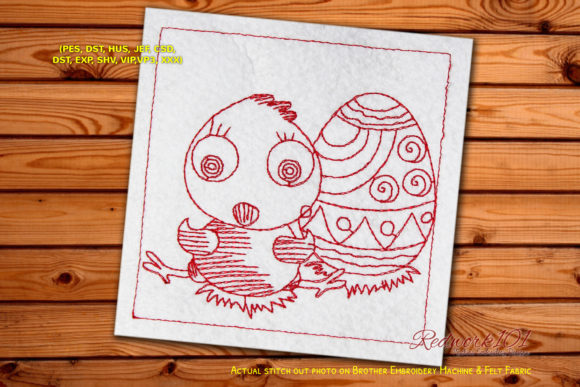
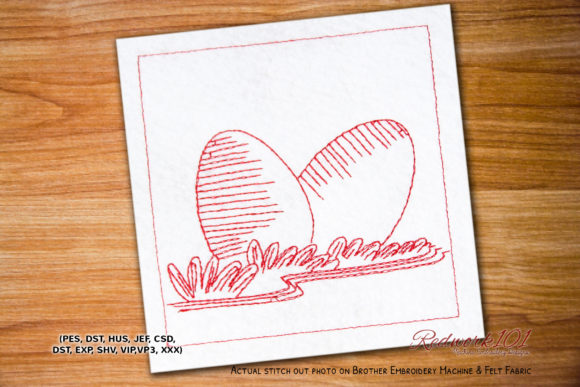
The Easter Egg Machine design feels festive and decorative, with a clean silhouette that leans toward a modern farmhouse or cute contemporary style depending on your thread choices. The standout feature is the optional outer box stitch, which frames the egg shape and gives it a structured, intentional look. The product description notes that the color of the outer box is often different from the rest of the design, and you can skip that color directly in your embroidery software if it does not suit your product. This is a smart design asset because it gives you, the small shop product creator, control over the final look. Without the box, the design becomes softer and more organic, perfect for a delicate tea towel or a small pouch. With the box, it gains a bold, graphic quality that commands attention on a tote bag or apron. For a craft fair product, this flexibility means you can offer variations without buying a separate embroidery file.
How Easter Egg Machine Performs on Key Products
I mentally walked through my booth display and tested the Easter Egg Machine on the products I know sell best. Here is how it measures up.
Tote Bags and Market Bags
A tote bag design needs to be visible from a few feet away, and the Easter Egg Machine with the box stitch active delivers. The frame creates a defined border that helps the egg stand out against the bag fabric. Without the box, the egg shape still reads well if you use a thread color that contrasts strongly with the bag. I recommend testing this on a scrap tote before committing to batch production. The design is large enough to serve as a focal design on the front panel, and it does not have tiny details that get lost in the fabric texture of a typical cotton tote. For a craft fair product, this is a strong candidate.
Apron Embroidery
Aprons are a staple for handmade market sellers, and the Easter Egg Machine fits nicely on the bib or lower pocket area. The optional box stitch adds a professional, finished look that customers associate with quality. I would use the box version for aprons because it gives the design a defined edge that complements the structured shape of the apron bib. The stitch density appears moderate, which is important for a garment that will be worn and washed. Avoid placing the design too close to seams or straps, and always use a quality stabilizer to prevent puckering on the apron fabric.
Tea Towel Embroidery
Tea towels are a popular craft fair item because they are lightweight and easy to produce in batches. The Easter Egg Machine works well as a small accent near the hem or as a larger focal design in the center of the towel. I prefer the version without the box stitch for towels because the egg shape alone feels more organic and complements the rustic texture of linen or cotton towels. The design is not overly dense, so it will not stiffen the towel fabric excessively. However, if you are using a textured towel, test the stitch density to ensure the design does not distort the weave.
Embroidered Patches
Patches are a high-margin digital embroidery product for craft fairs. The Easter Egg Machine has a clean outer edge that can be easily trimmed and turned into a patch. The optional box stitch actually helps define the patch shape if you stitch it as a standalone item. I would create a batch of patches with the box stitch and another batch without, then offer them as a set. Customers love the idea of ironing on a patch to a jacket or bag. Make sure the stitch density is tight enough to hold the patch shape without curling, but not so dense that it becomes stiff and hard to sew onto fabric.
Fabric Pouches and Pillow Covers
Small pouches and pillow covers benefit from a design that is self-contained and visually balanced. The Easter Egg Machine with the box stitch provides a perfect framed motif for a zippered pouch or a small decorative pillow. Without the box, the egg can be placed in a corner or centered for a softer look. For a pillow cover, consider using the box version and repeating the design in a grid pattern for a more modern aesthetic. This gives you a premium product that stands out at a boutique maker booth.
Caps and Hats
Curved surfaces like caps require designs that are not too wide or tall, and that have moderate stitch density to avoid distortion. The Easter Egg Machine is compact enough to fit on a cap front, especially if you use the version without the box stitch. The box stitch may add width that could cause the design to distort on the curve of the cap. I recommend testing both versions on a practice cap before offering it as a finished product. If the box stitch creates puckering, simply skip that color in your embroidery file and use only the egg shape. This design is not overly dense, which is a good sign for cap embroidery.
Practical Selling and Production Points
For a craft fair product to sell, it must be easy for customers to understand at a glance. The Easter Egg Machine is immediately recognizable as an Easter-related motif, but it is not so specific that it limits its appeal to only one weekend. The egg shape is a classic symbol of spring and renewal, which gives it a longer selling window in the weeks leading up to Easter. The design works as a small accent on a tea towel or a large focal design on a tote bag, giving you product range from a single embroidery file. When photographing for online listings, the box stitch creates a natural frame that helps the design pop against the background. I recommend shooting mockups on neutral backgrounds to highlight the thread colors. The design is repeatable for batch production because the stitch count appears manageable, and the optional box stitch means you can produce two distinct looks from one file. This efficiency is critical for an Etsy seller or small shop owner who needs to maximize output.
Careful-Use Notes: Where to Avoid Pitfalls
No machine embroidery design is perfect for every surface, and the Easter Egg Machine has a few considerations I want to share based on my experience. First, if the design includes dense stitch areas in the egg fill, test on your intended fabric before production. Dense stitching can cause puckering on lightweight fabrics like silk or thin cotton. Use a cutaway stabilizer for medium-weight fabrics and a tearaway for heavier items like towels. Second, if you choose to use the box stitch, be aware that the outer box can add bulk to the edge of the design. On thick fabric like canvas or denim, the box stitch may feel stiff. Consider skipping the box on those materials. Third, dark fabric can be tricky if the egg outline or box stitch is a light color. Make sure you have enough contrast for the design to read clearly. I recommend stitching a test on similar fabric to your final product, then checking the thread contrast under natural light. Small details like the curve of the egg or the corners of the box can lose clarity if the design is scaled down too much. Stay within the recommended hoop size for the original file to maintain detail. Finally, always confirm the commercial licensing of the digital embroidery file before selling finished products. This is a step I never skip, and it protects your business in the long run.
Visual Appeal, Customer Attention, and Booth Display Strength
In a busy craft fair environment, your booth display needs to stop customers in their tracks. The Easter Egg Machine has a strong visual appeal because of its clean shape and optional framing. I would display a tote bag with the box stitch version at eye level, paired with a tea towel that uses the egg without the box. This contrast shows customers the versatility of the design and encourages them to see the product as a set. The design feels premium because the box stitch adds a structured, intentional look that elevates the handmade quality. Customers perceive framed embroidery as more polished, which can justify a higher price point. The design also photographs well for online listings, especially if you use a printable mockup that shows the design on multiple products. For brand consistency, the Easter Egg Machine can be used across your entire Easter product line, from tote bags to patches to pillow covers. This cohesive look strengthens buyer engagement and makes your booth look professional and curated.
Practical Embroidery Designer Notes for Production
Before you stitch a single final product, take these steps. Test the Easter Egg Machine on scrap fabric that matches your final product material. Check the thread contrast by stitching a small sample and viewing it from a distance. Review the spacing of the design elements, especially if you are using the box stitch, to ensure the egg does not touch the edges of the box. Confirm the hoop size required for the design and make sure your machine can handle it. Inspect the stitch density: if the design feels too dense, consider reducing the stitch count or using a lighter fill. Use the right stabilizer for your fabric type. Create at least one real mockup of each product variant you plan to sell, and photograph it for your online listings. Compare fabric colors to the thread palette to ensure the design stands out. Finally, confirm the commercial licensing of the embroidery file before you sell any finished products. This is a non-negotiable step for any serious embroidery business owner.
Final Verdict for Craft Fair Sellers
The Easter Egg Machine is a versatile and saleable machine embroidery design for craft fair and handmade market products. Its optional box stitch gives you two distinct looks from one embroidery file, which is a significant advantage for batch production and product variety. The design performs well on tote bags, aprons, tea towels, patches, pouches, and pillow covers, with some caution needed on caps and highly textured fabrics. The visual appeal is strong, especially with the framing box, and the design photographs well for online listings. As long as you test the stitch density, choose the right stabilizer, and confirm your licensing, this design can become a reliable asset in your Easter product lineup. I would feel confident adding the Easter Egg Machine to my own craft fair booth, and I recommend it to any Etsy seller or small shop owner looking for a clean, festive, and profitable design.