Cara's Embor Bear Applique
First Impressions: What This Bear Brings to the Hoop
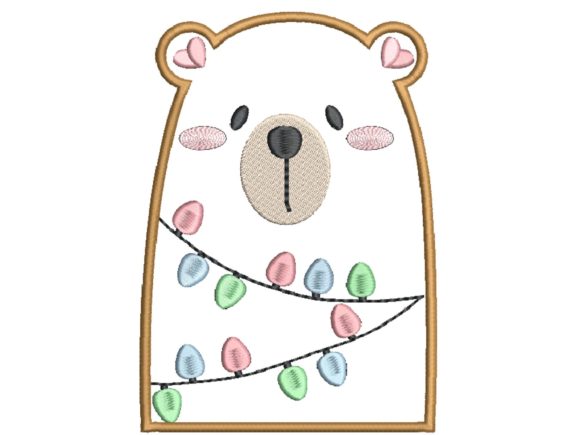
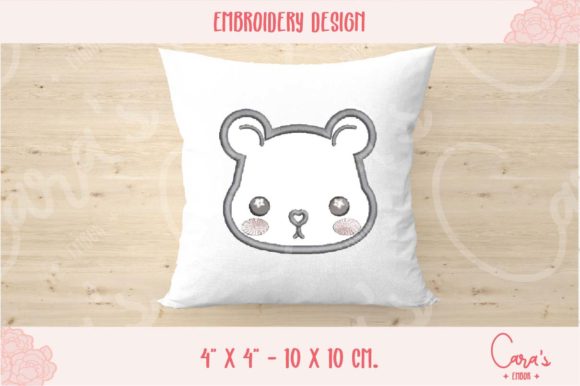
When I first opened the Cara's Embor Bear Applique file, I was struck by how directly it communicates warmth without trying too hard. This is a machine embroidery design that knows exactly what it wants to be—a soft, approachable bear shape that fits naturally into the Baby Animals category without feeling overly cutesy or generic. The silhouette is clean, the proportions feel balanced, and there is a gentle roundness to the form that makes me think of custom apparel for little ones, nursery decor, and thoughtful personalized gifts.
The applique nature of the design means you are working with fabric layers and satin stitch edges rather than dense fill stitch fields. That immediately tells me this design will stitch out with a soft hand and a tactile quality that standalone embroidery often cannot match. For anyone running a craft business or selling through an Etsy seller shop, that tactile appeal translates directly into perceived value. Customers feel the difference between a stiff patch and a plush applique bear.
The layout is straightforward—a single bear motif that reads well at a distance but holds up to closer inspection. There are no fussy details that will disappear into the fabric, and the overall mood is one of simple, enduring charm. It is the kind of design that works for a handmade product line because it feels intentional without being demanding.
Reading the Design for Real Fabric and Thread
Before I ever load a digital embroidery file into my machine, I need to understand how it will behave across different materials. Cara's Embor Bear Applique is forgiving in a way that more intricate designs are not. The applique layers give you control over fabric choice, which means you can adjust the texture and color to suit your project. For a tote bag design aimed at a boutique market, I might use a soft linen for the bear body. For sweatshirt embroidery aimed at children, a cozy cotton flannel or minky fabric would add a tactile dimension that simple fill stitch cannot replicate.
The satin stitch edges on this design appear to be moderate in width, which is a good sign. Narrow satin edges can pull and distort on stretchy fabrics, while overly wide satin edges can become heavy and stiff. This design strikes a balance that suggests it will behave well on baby clothes, t-shirts, and even pillow covers where the fabric needs to remain soft after washing. I would still recommend testing on a scrap of your target fabric first, but I am optimistic about how this will stitch out.
One thing I appreciate is the absence of excessive detail. There are no tiny eyes or delicate features that rely on perfect thread registration. The bear face is simple enough that even a slight fabric shift during hooping will not ruin the overall look. For a small shop product where you might be stitching multiple units in a batch, that consistency is invaluable.
Where Cara's Embor Bear Applique Shines Brightest
After spending time with this design, I can see several natural use cases where it will perform exceptionally well. The first is baby embroidery for personalized gifts. A onesie, a receiving blanket, or a small quilt block featuring this bear applique feels like a gift that was made with care. The applique layers add weight and texture, making the finished piece feel substantial. For holiday embroidery, you could swap the fabric colors to match a seasonal palette—think soft cream for winter, pale yellow for spring, or warm brown for autumn.
Another strong application is embroidered patch production. Because the design uses applique, you can cut the bear shape from felt or wool blend fabric and stitch it onto a patch backing. These patches can then be applied to caps, aprons, tote bags, or sweatshirts. For commercial embroidery clients who want a consistent branded element, this bear could become a signature motif across a product line. It is distinctive enough to be recognized but simple enough to stitch quickly.
I also see this design working beautifully for nursery decor. A set of framed embroidery hoops with different fabric textures for the bear—maybe one in corduroy, one in linen, one in velveteen—would make a charming wall arrangement. For Etsy sellers looking to create a cohesive small shop product line, this design offers room to play with color and fabric while keeping the motif consistent.
Let me share a real scenario. I recently prepared a custom sweatshirt embroidery project for a client who wanted a baby shower gift. The recipient was expecting a little boy, and the theme was woodland animals. I used Cara's Embor Bear Applique with a soft brown cotton twill for the bear body, a cream felt for the muzzle area, and a dark brown satin stitch for the outline. The result was a cozy, tactile design that felt like a natural part of the custom apparel rather than an afterthought. The client was thrilled, and the gift was a hit at the shower. That is the kind of outcome this design is built for.
Where to Use Caution With This Design
No design is perfect for every situation, and Cara's Embor Bear Applique has limitations worth noting. The first is hoop size. While I do not have the exact dimensions in front of me, the applique layers mean you need enough room for the fabric to sit flat during stitching. If you are working with a very small hoop, you may need to adjust your expectations. Always check the design dimensions against your hoop before committing to a project.
Another consideration is fabric choice. Textured fabrics like heavy knits, fleece, or ribbed materials can cause the applique edges to pucker or shift. I recommend using a stabilizer that matches the fabric weight—a tear-away for stable woven fabrics, a cut-away for knits and stretchy materials. If you are stitching on thin fabric like a lightweight onesie, be mindful of show-through. A layer of water-soluble stabilizer on top can help keep the applique fabric from shifting during the first few stitches.
Dark fabric can also be tricky. If the bear body fabric is lighter than the garment, you may need to use a white or light-colored thread color for the running stitch placement line, then switch to a matching thread for the satin stitch edge. Test this on a scrap piece first to avoid unstitched gaps or visible placement lines.
For curved surfaces like caps or hats, this design may require careful hooping and a cap frame. The applique layers add bulk, so you need to ensure the fabric lies flat against the curve without distortion. I would not recommend this design for the front of a cap unless you are experienced with cap embroidery and have a frame that handles applique well.
Finally, consider the stitch density of the overall design. Applique designs typically have lower stitch counts than full fill stitch designs, which is good for softness and washability. However, if the satin edges are too dense, they can stiffen the fabric around the design. If you are making a personalized gift that will be washed frequently—like a kitchen towel or a baby blanket—you may want to test how the edges hold up after several cycles. In my experience, moderate satin width with quality thread and proper stabilizer will endure well.
The Visual Payoff: How This Design Elevates Finished Products
When I evaluate a digital embroidery file for real project use, I am thinking about how it will look in a customer's hands, not just on a screen. Cara's Embor Bear Applique has a visual payoff that works across multiple contexts. On a tote bag design, it becomes a friendly, recognizable motif that makes the bag feel like a boutique item rather than a blank canvas. On a sweatshirt embroidery project, it adds a handcrafted element that stands out from mass-produced graphics.
The applique technique itself communicates quality. When a customer sees fabric layers with precise satin stitch edges, they perceive the item as carefully made. That perception translates into higher product value and stronger customer trust. For anyone running a craft business or selling through an Etsy seller shop, that trust is currency. Buyers are more likely to leave positive reviews, share photos, and return for future purchases when they feel the item was made with skill and intention.
This design also supports brand consistency. If you are building a small shop product line around a particular aesthetic—modern nursery, rustic woodland, minimalist baby—this bear fits without clashing. You can repeat it across different product types and it will tie the collection together visually. For printable mockup purposes, the bear photographs well because the applique layers create natural shadows and depth. That means your design assets will look appealing in listings, which helps with click-through rates and buyer engagement.
For holiday embroidery or wedding gifts, the bear can be customized with fabric colors that match the occasion. A blush pink bear for a gender reveal, a soft gray bear for a modern nursery, a rich burgundy bear for a holiday-themed gift—the flexibility is there because the design is not overloaded with details that lock it into a single mood. That adaptability is a sign of good design thinking.
Practical Notes Before You Stitch
Before you load Cara's Embor Bear Applique into your machine and start stitching, there are a few steps I recommend taking. These are the same steps I follow with every new embroidery file I work with, and they save me time, thread, and frustration.
First, test the design on scrap fabric first. Use a fabric that matches the weight and stretch of your final material. This lets you see how the satin stitch behaves, whether the applique edges align properly, and whether the thread colors you have chosen work well together. I also recommend testing on both light and dark fabric backgrounds to see how the bear reads against different contrasts.
Second, check thread color contrast carefully. The applique fabric and the satin stitch outline should have enough contrast to define the shape clearly. If the thread is too close to the fabric color, the bear will look flat. If the contrast is too high, it can feel harsh. Test a few combinations and choose the one that feels most natural to your eye.
Third, review stitch density before stitching. If the design has dense areas, especially around the edges or in small features, consider whether your fabric and stabilizer can handle that density without puckering. If you are unsure, a lighter stabilizer or a running stitch adjustment can help. I also recommend inspecting small details—even though this design is not overly detailed, it is still worth zooming in to check for any narrow columns or tight corners that might cause thread breaks.
Fourth, confirm hoop size and make sure the design fits comfortably within your working area. Applique designs require extra space around the edges for the fabric layers, so do not crowd the hoop. If the design is a tight fit, consider using a larger hoop if your machine supports it.
Fifth, test it in black and white mockups before stitching. This helps you see the shape and layout without the distraction of color. If the bear reads clearly in grayscale, it will read clearly in color. If it looks muddled or unbalanced, you may want to adjust your fabric or thread choices before committing to the final product.
Finally, confirm licensing before using this design for commercial embroidery or selling finished items. The listing states that this is a digital design for machine embroidery, and it is your responsibility to understand what rights come with the purchase. If you are a small business owner or creative entrepreneur planning to sell handmade products featuring this bear, make sure you are compliant with the designer's terms. The same applies if you are creating digital product previews or printable mockups for your shop.
Final Thoughts on Cara's Embor Bear Applique
After working through this design from first impression to practical stitching considerations, I can say that Cara's Embor Bear Applique is a solid, usable machine embroidery design that belongs in the toolkit of anyone who stitches baby embroidery, custom apparel, or personalized gifts. It is not a flashy design, and it does not try to be. What it offers is reliability, charm, and a clear sense of purpose. It knows it is a bear applique, and it does that job well.
For Etsy sellers looking to expand their small shop product offerings, this design gives you room to create variations without reinventing the wheel. For apparel decorators working with commercial embroidery clients, it is a motif that will appeal to parents, grandparents, and gift-givers. For hobbyists and makers stitching for pleasure, it is a satisfying project that produces a finished result you will want to share.
I would recommend Cara's Embor Bear Applique to anyone who values clean shape, applique versatility, and a design that translates well from screen to fabric. Test it, adapt it to your fabric and thread choices, and let it work for the projects that matter to your customers. That is what a good digital embroidery file should do—it should make your work look better without making your process harder. This bear delivers on that promise.