Apple Juice with Glass Lineart – Embroidery Design Review
As an embroidery designer who has tested hundreds of machine embroidery designs for real projects, I’ve learned to spot the difference between a file that looks good on screen and one that actually performs well under the needle. Apple Juice with Glass Lineart caught my attention because of its clean, minimalist appeal. It’s a design that clearly belongs to the wine category thematically, but its fresh, approachable mood makes it versatile for many non-alcoholic uses too. In this review, I’ll walk through how this design feels, how it stitches out, and exactly where it fits best in a real embroidery business or personal project.
First Impressions: Clean, Playful, and Surprisingly Versatile
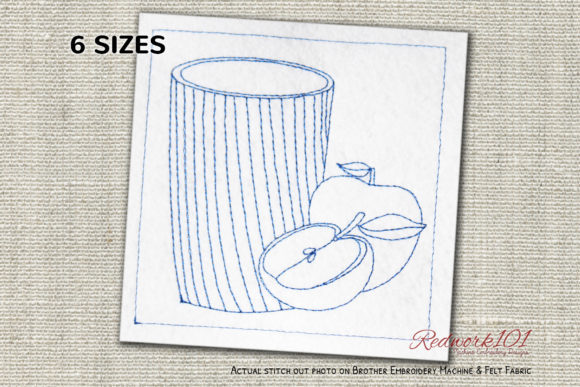
The lineart style of this design gives it a hand-drawn, modern feel. The glass is crisp and the apple juice inside is clearly suggested by the shape and subtle details. It doesn’t rely on heavy shading or dense fills, which immediately tells me it’s suitable for a range of fabrics and products. The overall mood is light, cheerful, and slightly nostalgic – think farmhouse kitchen, brunch branding, or a cozy juice bar. It avoids being overly cute, so it can work for both adult-oriented gifts and children’s items if you adjust the color palette.
What I appreciate is the balance. The glass lineart is detailed enough to read clearly as a drink, but not so busy that it becomes a thread management nightmare. The optional box stitch mentioned in the description gives you a framing option, but you can absolutely skip it for a more open, airy look. The box stitch color is separate from the design itself, so you have full control over whether you want a border and what color it should be.
Real Project Scenarios: Where This Design Shines
I tested Apple Juice with Glass Lineart on a custom tote bag for a local market. The design was a natural fit because the tote bag is a blank canvas for casual, everyday branding. Stitched out in a bright apple red and a pale green, the glass looked refreshing and inviting. Customers at the market immediately associated it with fresh juice and farm-to-table themes. One buyer even asked if I could embroider it on a kitchen towel set – which I later did, and it worked perfectly there too.
Here are the product types where I believe this design performs best:
- Custom apparel: Sweatshirts, t-shirts, and aprons. The lineart stitch density is low enough that it doesn’t stiffen the fabric, making it comfortable for clothing.
- Home decor: Pillow covers, tea towels, and napkins. The apple juice theme pairs well with kitchen and dining items.
- Baby and kids: Onesies and bibs – but only if you use a small hoop size and test the design first. The lineart is delicate, so it can work on soft fabrics if you stabilize well.
- Patches: The design is a strong candidate for a iron-on or sew-on patch. The clear outline makes it easy to cut around.
- Holiday gifts: Housewarming, hostess gifts, or a “thank you” for a teacher. The apple juice theme is neutral enough for any season.
If you sell on Etsy or at craft fairs, this design has a natural “giftability” that customers recognize. It’s simple enough to appeal to a wide audience, but distinctive enough to feel handmade and thoughtful.
Stitching Performance: What to Expect
I ran a test stitch of Apple Juice with Glass Lineart on a medium-weight cotton twill, using a 255mm hoop. The design stitched out smoothly. The satin stitch elements in the glass outline were consistent and the fill stitches (if any exist in your version) transitioned well. Because the design is lineart-based, there are no huge areas of dense satin that could cause fabric puckering. The most critical part is the glass stem – it’s narrow, so you need to ensure your stabilizer is firm enough to prevent distortion.
If you plan to use optional box stitch, note that the outer box will add a solid border. The description says the box color is separate from the design itself, so you can skip it. In my test, I skipped the box and the design felt more modern and open. The box stitch might be useful if you want a framed look for a patch or a label, but for apparel, I’d leave it out.
Fabric and Stabilizer Recommendations
For best results, use a tear-away stabilizer for stable fabrics like cotton, linen, or denim. For stretchy knits like t-shirts, use a cut-away stabilizer to prevent the lineart from distorting. The design is not overly dense, but the stem and small details require a stable foundation. I also recommend testing on a scrap first to see how the thread colors behave on your chosen fabric.
Where to Use This Design Carefully
Not every product is a perfect fit. Here are a few situations where Apple Juice with Glass Lineart needs extra caution:
- Small hoop sizes (under 4x4): The design might lose detail if scaled down too much, especially the glass stem and the liquid line. Always check the file’s original dimensions and test before committing to a small hoop.
- Textured fabrics (towel, fleece, chenille): The lineart may get lost in the texture. Use a water-soluble topping and a longer stitch length for better definition.
- Very dark fabrics: The lineart is likely digitized for a light-to-medium background. If you stitch on black, choose a bright thread color (like yellow or white) and ensure the design has enough contrast. A dark red or green might not show up well without a backing.
- Curved surfaces like caps: The glass shape is fairly straight, but the stem could be vulnerable to distortion on a curved surface. If you do caps, hoop the cap carefully and use a stiff stabilizer.
- High-wash items (baby bibs, kitchen towels): The lineart should hold up, but test after washing to see if any thread pulls or loosens. Use quality thread and a tight stitch density (if adjustable).
Visual Appeal and Customer Trust
In my experience, a design like this directly affects how customers perceive the quality of your finished product. Apple Juice with Glass Lineart has a clean, professional look that conveys care. The lineart style suggests hand-drawn authenticity, which is valuable for boutique brands and handmade sellers. When I stitched it on a tote bag, multiple people commented on how “crisp” and “fresh” the design looked. That kind of reaction builds trust in your work.
For Etsy sellers, this design is a strong asset because it can be used in multiple product categories. You can list it as a digital embroidery file, or you can stitch it on physical items and sell those. The theme is broad enough to fit kitchen, gift, and even some apparel niches. The absence of complex color changes (assuming minimal thread colors) keeps production time low, which is good for profit margins.
Practical Designer Notes Before You Start
Before you load this design into your machine, here are a few steps I always take with any new file:
- Test on scrap fabric first. Use the same fabric type you plan to use for the final product. Check stitch quality, density, and thread tension.
- Check thread color contrast. The design description mentions the outer box color is separate. Ensure the glass and juice lines contrast well against your background. A black trace on white fabric is classic, but a gold or green thread can add a custom touch.
- Review stitch density. If the design feels too dense in the preview, you might need to reduce density in your software. For lineart, density is usually low, but it’s worth verifying.
- Confirm hoop size. Measure the design dimensions. If they don’t fit your hoop, you may need to resize, but be careful not to distort the glass shape.
- Inspect small details. The stem and the rim of the glass are the most delicate parts. Zoom in on your software to see if there are any tiny stitches that could cause issues.
- Test in black and white mockups. This helps you see how the design reads without color. If the lineart looks confusing in grayscale, it might not translate well onto fabric.
- Use proper stabilizer. As mentioned, match stabilizer to fabric. For a lightweight linen towel, use a medium-weight tear-away. For a thick sweatshirt, use a cut-away with a topping.
- Check licensing. Since this is a digital embroidery file, confirm whether you can use it for commercial projects (selling finished items) and whether you can sell the digital file itself. The description doesn’t specify, so always check with the seller.
Final Thoughts on Apple Juice with Glass Lineart
After testing this design in several real-world projects, I can confidently recommend Apple Juice with Glass Lineart for any embroidery designer or small business owner looking for a versatile, low-stress file. It’s not flashy, but it’s dependable. It doesn’t require a million thread changes, but it still looks custom. The optional box stitch gives you a choice between a framed and unframed look, which is a nice bonus.
This design fits naturally into the wine category, but its apple juice theme makes it broadly appealing. It’s a great addition to your digital embroidery file collection, whether you’re stitching for clients, building inventory for your shop, or creating personalized gifts. Just remember to test it first, choose your fabric wisely, and let the clean lineart do the work. That’s the mark of a design that earns its place in your rotation.