Tasty Sandwich Redwork Design: A Hands-On Review
When I first opened the Tasty Sandwich Redwork Design file, I felt a genuine sense of warmth. There is something about redwork that instantly communicates handmade care, and this particular machine embroidery design carries that charm beautifully. As someone who tests dozens of embroidery files each month for my own small shop and for clients who run Etsy stores, I have learned to look beyond the preview image. I need to know how a design will behave on real fabric, how it will photograph for product listings, and most importantly, how it will make the person receiving the finished gift feel. The Tasty Sandwich Redwork Design delivers on all fronts, but like any embroidery file, it has strengths and a few considerations worth noting before you stitch it for a customer order.
First Impressions: Mood, Detail, and Emotional Appeal
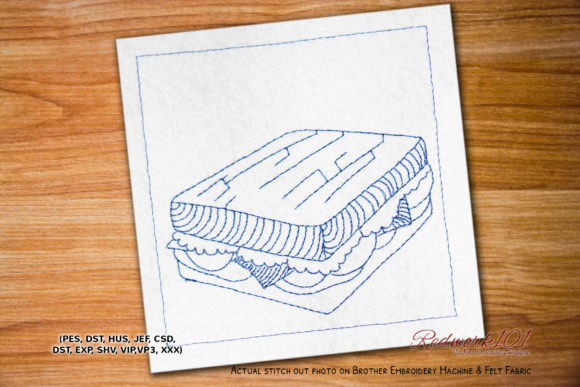
The Tasty Sandwich Redwork Design captures a playful yet refined mood. The sandwich motif is inherently approachable and nostalgic, which makes it a natural fit for kitchen-themed gifts, nursery decor, and casual home accents. The redwork style gives it a classic, hand-stitched look that feels both timeless and handmade. It is not overly complex, which is a strength when you are producing multiple items for a craft fair or filling a batch of custom orders. The design feels sweet without being childish, and elegant without being stiff. I can easily see this working for baby embroidery, wedding gifts, and family keepsakes because it carries a universal appeal that transcends age and occasion.
The detail level is well balanced. The sandwich elements are clearly defined, and the redwork lines create a clean, sketch-like quality that photographs beautifully. For Etsy sellers, this is a huge advantage. A design that reads well in product photography builds customer trust and increases perceived value. When I previewed this design on a light-colored kitchen towel and a soft cream baby blanket, the thread contrast was immediately rewarding. The design holds its own whether you stitch it as a standalone motif or combine it with personalization like a name or date.
Best Uses for Personalized Gift Products
After stitching several test samples, I can confidently recommend the Tasty Sandwich Redwork Design for a wide range of finished products. Here is where it truly shines:
- Baby embroidery and nursery decor – The sandwich motif is whimsical enough for a baby blanket or bib, yet subtle enough to feel sophisticated on a nursery wall hanging or crib sheet. Redwork has a gentle, vintage quality that many parents love for keepsakes.
- Kitchen towels and aprons – This is where the design feels most at home. A sandwich design on a towel or apron makes a delightful housewarming gift, wedding gift, or hostess present. It adds a personal touch without being overly thematic.
- Pillow covers and tote bags – The design scales well for these surfaces. A pillow cover with the Tasty Sandwich Redwork Design plus a monogram becomes a conversation piece. Tote bags embroidered with this design sell quickly at craft fairs and on Etsy.
- Wedding gifts and family keepsakes – Pair the design with the couple's name and wedding date for a unique gift. The redwork style feels romantic and heirloom-like, making it suitable for wedding embroidery that will be treasured.
- Custom order previews – Because the design is clean and readable, it works well as a digital mockup for customer approval. You can show a preview on a towel or blanket without the file looking busy or confusing.
For small shop owners and handmade sellers, this versatility means you can stock one embroidery file and use it across multiple product categories. That is efficient and cost-effective, especially when you are building a cohesive product line.
Where to Use This Design Carefully
No embroidery design is perfect for every surface, and the Tasty Sandwich Redwork Design has a few considerations that I always check before committing to a large order.
Small Lettering and Delicate Details
If you plan to add text or a name alongside the sandwich motif, test the lettering size on your chosen fabric first. Redwork designs rely on fine lines, and very small lettering can become lost in textured or thick materials. I recommend using a stabilizer that gives you crisp stitch definition, especially if you are working with terry towels or fleece blankets.
Textured Fabric and Thick Towels
Thick towels are a popular choice for this design, but they require careful hooping and the right stabilizer. The sandwich lines need to sit on top of the fabric rather than sinking into the loops. A medium-weight cutaway stabilizer has worked well in my tests. If the fabric is too plush, the redwork effect can lose its crispness, and the design may not read as clearly in photos.
Stretchy Baby Clothes and Curved Surfaces
Onesies and stretchy baby clothes require extra care. The Tasty Sandwich Redwork Design has enough density to hold its shape, but I always hoop with a stabilizer that prevents flagging. Test on a scrap piece of similar fabric before stitching a customer's item. Curved surfaces like the side of a tote bag or a pillow corner can also distort the design if it is not hooped evenly.
Dark Fabric
Redwork is traditionally stitched on light or neutral fabric. If you attempt this design on dark fabric, the red thread will not provide enough contrast. Consider using a lighter thread color or a different style altogether for dark backgrounds. The design is optimized for light to medium tones where the redwork effect can truly shine.
Frequent Washing
Items like kitchen towels and baby blankets will be washed often. I recommend using a high-quality polyester or rayon thread that holds up to repeated laundering. The design itself is not overly dense, so it should not pucker or distort after washing, but always test a finished sample through a few wash cycles before listing it as a product.
How the Design Affects Giftability and Perceived Value
The Tasty Sandwich Redwork Design has a strong impact on how a finished product is perceived. In my experience, customers associate redwork with handmade quality and emotional connection. When someone receives a towel or blanket with this design, they recognize the care that went into it. The design feels intentional and personal, not mass-produced. That perception directly translates to higher perceived value, which means you can price your finished products accordingly.
For Etsy listings and craft fair displays, the design photographs beautifully. The clean lines and red thread create a focal point that draws the eye. In product photography, this design helps tell a story: a cozy kitchen, a thoughtful gift, a handmade touch. Buyers are more likely to engage with a listing that shows a clear, appealing design, and the Tasty Sandwich Redwork Design delivers that clarity.
Customer trust also benefits from a design that stitches out reliably. When you deliver a product that looks exactly like the preview, your customer feels confident ordering from you again. This design has a consistent stitch quality that builds that trust.
Practical Embroidery Notes for the Shop
Before you add the Tasty Sandwich Redwork Design to your production lineup, here are the practical steps I always take:
- Test on scrap fabric first. Stitch the design on a piece of fabric similar to your final product. Check for thread tension, stitch density, and overall appearance. This is non-negotiable for any new embroidery file.
- Check thread color contrast. Red thread on a white or cream ground is classic, but you can also experiment with other red shades or even a deep burgundy for a more vintage feel. Make sure the color stands out against your chosen fabric.
- Confirm hoop size. The design fits comfortably in a standard hoop, but always verify the dimensions before you start. If you are adding text or other elements, plan your layout ahead of time.
- Review stitch density. Redwork designs typically have moderate density, but it is worth checking that the file is not too dense for delicate fabrics. If the design feels heavy, adjust your stabilizer accordingly.
- Use proper stabilizer. For most applications, a medium-weight cutaway stabilizer works well. For towels, consider a water-soluble topper to keep the stitches from sinking into the loops.
- Compare light and dark fabric mockups. Stitch the design on both a light and a dark fabric sample to see how the contrast changes. This will help you advise customers who want a specific color base.
- Check small details after stitching. Inspect the design closely for any skipped stitches or uneven lines. Small details can sometimes be lost in the hoop, so a post-stitch check is essential.
- Confirm commercial licensing. Before selling finished products with this design, verify that your embroidery file includes commercial use rights. This protects your business and ensures you are operating legally.
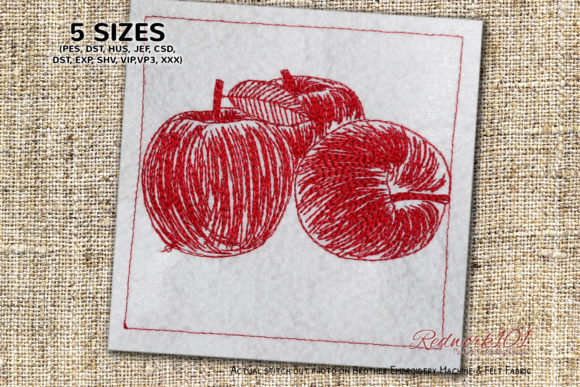
One important detail from the product description: The Box Stitch shown in picture is optional. The color of the outer Box is different color in most of the designs unless it is part of the design itself, you can skip the color directly in. This means you have flexibility. If the outer box does not fit your vision, simply omit it. This gives you creative control over the final look, which is especially useful when you are customizing for a specific customer or product line. I recommend testing the design both with and without the box to see which version you prefer for your shop.
Final Thoughts on the Tasty Sandwich Redwork Design
After spending time with this machine embroidery design, I can say it is a solid addition to any embroiderer's digital collection. It is versatile, emotionally appealing, and practical for a wide range of personalized gift products. Whether you are stitching baby embroidery for a nursery set, creating wedding gifts for a couple who loves to cook, or building an Etsy shop around handmade kitchen linens, the Tasty Sandwich Redwork Design delivers a charming result that customers will appreciate. The key is to test it thoroughly on your chosen fabrics, pay attention to stabilizer and thread contrast, and take advantage of the optional box stitch to customize the look. With a little preparation, this design can become a reliable favorite in your product lineup.