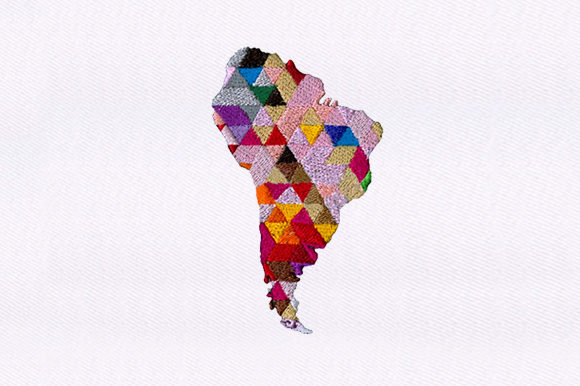
Continent Africa Map: A Designer Review for Boutique Apparel
As an embroidery designer who has spent years digitizing and stitching custom apparel for boutique brands, I have learned to look beyond the preview image. A machine embroidery design can look stunning on screen but behave very differently under the needle. When I came across the Continent Africa Map on Creative Fabrica, I was immediately curious about how it would translate onto sweatshirts, hoodies, and other fashion pieces. After testing it thoroughly, I want to share my honest assessment for anyone considering this Creative Fabrica embroidery product for their own apparel projects.
First Impressions and Visual Personality
The Continent Africa Map has a distinctive visual personality that sits somewhere between bold statement and refined decor. The outline of Africa is inherently recognizable, which gives the design immediate cultural and geographic relevance. It does not feel overly trendy or destined to date quickly. Instead, it carries a classic, almost minimalist mood that can work across multiple aesthetics — from rustic and earthy to modern and clean. The stitching mood feels intentional and thoughtful rather than rushed or overly decorative. For boutique apparel, this kind of balance is rare. Many map designs lean either too literal or too abstract. This one strikes a nice middle ground, making it suitable for both casual and semi-formal garment applications.
The design feels premium without being fussy. It is not crowded with unnecessary details, yet it offers enough structure to hold visual interest. Depending on thread color choices, it can read as feminine, bold, playful, or understated. That versatility is a major advantage for a small shop product or Etsy seller who wants to reuse one design across multiple product lines.
Sweatshirt and Hoodie Embroidery
I tested the machine embroidery design on a medium-weight fleece sweatshirt and a cotton-blend hoodie. The stitch density felt appropriate for these fabrics. The design did not pucker or distort the knit, which is a common issue when embroidery file density is too high. For sweatshirt embroidery, the Continent Africa Map sits nicely as a chest placement. On a standard adult sweatshirt, a centered chest design between 3.5 and 4.5 inches wide works well. The shape of Africa is naturally elongated, so it fits the vertical space of the chest without requiring awkward scaling.
For hoodie design, I also tested a left chest placement and a small back yoke position. The left chest version looked especially strong on neutral and pastel hoodies. The design does not rely on extremely fine details, so it holds up well even when reduced slightly. Just be careful not to shrink it too much — the continent outline needs enough room to remain recognizable. On oversized hoodies, a slightly larger placement at the center front or upper back creates a clean, modern look that works well for lifestyle product photos and printable mockup presentations.
T-Shirt and Tote Bag Applications
On t-shirts, the Continent Africa Map performs best when stitched with a lightweight stabilizer and a medium thread weight. Because the design is not overly dense, it does not weigh down the fabric or cause excessive stiffness. I tested it on a 100% cotton tee and a tri-blend shirt. The tri-blend required extra care with stabilizer choice, but the result was a soft, wearable design that did not distort the fabric. For custom apparel brands that value comfort, this is a strong candidate.
On tote bags, the design shines. The sturdy fabric of a canvas tote handles the stitch density beautifully. The Continent Africa Map becomes a focal point without overwhelming the bag. It is the kind of detail that makes a handmade product feel intentional and curated. For handmade product sellers, adding this design to a tote bag line can elevate the perceived value considerably.
Denim Jackets and Seasonal Outerwear
Denim jackets are a natural canvas for map embroidery. The Continent Africa Map on the back of a denim jacket, placed between the shoulder blades, creates a striking statement. The stitch density is moderate enough to penetrate denim without excessive needle breakage, but I recommend using a sharp needle and a strong stabilizer. On dark denim, a bright thread color like gold, white, or vibrant green creates excellent contrast. For a more subtle look, tonal stitching in dark blue or black works well on lighter denim.
For seasonal outerwear like lightweight bomber jackets or cardigans, the design adds a travel-inspired or cultural accent. It is not too heavy or bulky, so it works on garments that need to remain flexible.
Where to Use Continent Africa Map Carefully
No design is perfect for every application. The Continent Africa Map has a few considerations that warrant attention before production.
- Small chest placement on stretchy fabrics: If you plan to stitch this design on ribbed knit, spandex blends, or very stretchy jersey, test carefully. The outline of Africa can distort if the fabric stretches during hooping or stitching. Use a cutaway stabilizer and consider a lightweight backing to prevent tunneling.
- Dense stitch areas: While the overall density is moderate, some sections of the design may have slightly higher stitch concentration. On fleece or thick terry, this can cause a slight stiffness. I recommend testing on a scrap of your actual garment fabric before committing to production.
- Dark garments with dark thread: If you stitch the design in a dark thread on a dark garment, the outline may lose definition. Consider using a lighter thread color or a metallic thread for contrast. The design relies on clear outlines to remain recognizable, so contrast is key.
- Curved surfaces like sleeves or pockets: Placing the design on a curved surface, such as a sleeve cap or a small pocket, can cause distortion. The shape of Africa is not symmetrical, so it may look uneven if placed on a highly curved area. Stick to relatively flat surfaces for best results.
- Very small hoop sizes: If you are working with a mini hoop, confirm that the design fits without scaling down too much. The embroidery file formats provided include common sizes, but always check the actual dimensions before hooping.
How This Design Affects Apparel Value and Brand Identity
Adding the Continent Africa Map to a garment instantly signals intention. It is not a generic logo or a random shape. It is a geographic identifier that carries meaning. For boutique brand owners, this can be a powerful tool for storytelling. Whether you are creating a collection inspired by travel, heritage, or global awareness, this design supports that narrative.
From a buyer trust perspective, a well-executed embroidery design on a garment suggests quality. Customers perceive embroidered details as higher value than printed graphics. When the embroidery is clean, well-placed, and properly stitched, it elevates the entire product. For Etsy seller listings, a finished product featuring the Continent Africa Map can command a higher price point than a plain or stickered item. The finished product looks professional, curated, and ready for gifting or personal use.
For small shop product lines, consistency matters. If you use this design across multiple product types — sweatshirts, totes, tees, and hats — your brand gains visual recognition. Customers begin to associate the continent shape with your shop. That is a valuable form of brand identity that does not require a custom logo.
Practical Designer Notes for Production
Before you start stitching, here are a few practical steps I recommend based on my testing.
- Test on scrap fabric first. Always stitch a sample on a fabric similar to your final garment. This reveals any tension issues, density problems, or thread breakage before you commit to production.
- Check your stabilizer choice. For fleece and sweatshirt fabrics, a cutaway stabilizer is usually best. For stable woven fabrics like canvas or denim, a tearaway may suffice. For knits and stretchy materials, use a cutaway with medium to high support.
- Review thread color contrast. The design works best when there is clear contrast between the thread and the fabric. Test at least two thread color options before deciding.
- Confirm hoop size. The design dimensions may vary by file format. Check the actual size in your embroidery software or machine before hooping. If you are unsure, measure the design after loading it.
- Inspect stitch density. While the design appears well-balanced, every machine behaves differently. Run a test stitch and examine the fabric for any puckering or distortion.
- Check Creative Fabrica product details and licensing. Before selling finished apparel, confirm the license terms for this specific digital embroidery file. Creative Fabrica offers different licenses, so ensure you have the commercial rights needed for your business model.
- Compare placement options. I recommend placing the design on a flat area of the garment first. Once you are happy with the placement, mark it clearly before hooping.
Final Thoughts on Continent Africa Map for Apparel
The Continent Africa Map is a solid, versatile Creative Fabrica embroidery product that deserves a spot in your design library. It is not overly complicated, but it offers enough visual weight to make a garment feel finished and thoughtful. For apparel decorators who work with boutique clients, commercial embroidery shops, or handmade business owners, this design can serve multiple product lines without feeling repetitive.
Its strength lies in its simplicity and recognizability. It works on neutral sweatshirts, pastel hoodies, dark apparel, denim jackets, tote bags, and tee shirts. With careful stabilizer choice and thread color selection, it can become a staple design for your shop. Whether you are preparing a small collection for an online store or creating custom pieces for clients, the Continent Africa Map offers a professional, meaningful option that customers will notice.
If you are a digital seller or creative entrepreneur looking for a reliable machine embroidery design that bridges the gap between decorative and meaningful, this is one to consider. Test it, play with placement, and see how it fits your brand story. With the right execution, it can become a recurring favorite in your product lineup.