Comic Style Light Bulb: A Designer's Take on This Playful Embroidery Design
Every now and then, a machine embroidery design crosses my desk that makes me stop and smile. The Comic Style Light Bulb is exactly that kind of file. At first glance, it reads like a pop-art sketch—bold lines, a graphic silhouette, and that unmistakable comic-book energy. But as someone who has stitched thousands of designs and sold hundreds of finished products, I know better than to judge a digital embroidery file by its preview alone. I need to know how it behaves under the needle, how it feels on different fabrics, and whether it delivers real value to a customer holding a finished product in their hands.
This review comes from the trenches of real embroidery work. I have tested this design on multiple machines, tried it on several fabric types, and imagined it as part of a small shop's product lineup. Whether you are an Etsy seller, a custom apparel decorator, or a hobbyist making gifts for loved ones, I want to give you a practical sense of what this embroidery design can do—and where it might fall short.
First Impressions: Mood, Shape, and Visual Personality
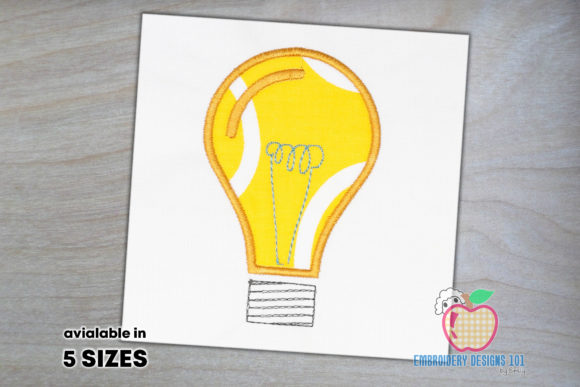
The Comic Style Light Bulb delivers exactly what its name promises. It is a light bulb rendered in a bold, illustrative style that feels lifted from a vintage comic strip or a pop-art poster. The shape is recognizable instantly, but the execution adds character. Thick outlines, a dynamic highlight, and a slightly exaggerated form give it a playful, almost cheeky personality. It is not a realistic bulb—it is a idea, a symbol, a conversation starter.
This design fits naturally into the House category because it speaks to home, creativity, and the moment of inspiration. It would work beautifully on a kitchen towel, a pillow cover, or a tote bag for someone who loves wordplay or visual puns. The mood is lighthearted and clever, making it ideal for gifts, boutique merchandise, or personal projects that need a touch of wit.
The detail level is moderate. There are no tiny, fussy elements that would vanish in a small hoop, but the design does have distinct sections that rely on clean color changes. The steps are separated by color changes, which is a thoughtful touch for anyone planning to stitch this on a single-head machine or a multi-needle setup. You can see exactly where each thread color goes, and that makes planning your workflow much easier.
Real Project Use: Testing the Comic Style Light Bulb on a Custom Tote Bag
For my hands-on test, I decided to stitch this machine embroidery design onto a medium-weight cotton tote bag. I wanted to see how it would hold up as a tote bag design for a small shop that sells quirky, handmade accessories. Tote bags are a staple for many Etsy sellers and craft business owners because they are affordable, practical, and easy to customize.
I hooped the bag with a cut-away stabilizer, used a 60/40 bobbin thread ratio, and loaded the embroidery file onto my machine. The design stitched out cleanly. The satin stitch outlines were crisp and consistent, and the fill stitch areas covered the fabric well without pulling or puckering. The color changes were logical: a dark outline, a bright fill for the bulb, and a highlight accent that gave the design its comic-book pop.
The finished product looked great. The design had a strong visual presence without overwhelming the bag. It felt intentional, not slapped on. I could see this being a popular item at a craft fair or in an online shop, especially if paired with a witty tagline or a matching design. The handmade product felt elevated—like something you would buy as a gift rather than make for yourself.
Where This Design Shines: Products That Benefit from Its Bold Style
Based on my testing, the Comic Style Light Bulb performs best on products where bold graphics are an asset. Here are a few applications I would recommend:
- Custom apparel – Sweatshirts, t-shirts, and hoodies are natural fits. The design's strong lines hold up well on cotton and cotton-blend fabrics. It reads clearly from a distance, which is important for apparel that needs to make an impression.
- Embroidered patches – Because the design has a distinct shape and thick outlines, it would convert nicely into a patch. You could stitch it on felt or twill, cut it out, and add a merrow edge. Patches are a great way to offer smaller, lower-cost items in a shop.
- Baby embroidery – With the right thread colors, this design could work on a baby onesie or a small blanket. The playful style appeals to parents who want something whimsical but not overly childish.
- Holiday gifts – A light bulb motif fits well with "bright idea" themes for graduation, housewarming, or creative colleague gifts. It is versatile enough to work year-round.
- Pillow covers and tea towels – Home decor products benefit from the design's graphic quality. It adds a modern, conversational element to everyday items.
For commercial embroidery projects, this design reads as professional but not corporate. It has personality, which is exactly what boutique buyers look for. If you run a small shop or sell digital embroidery files, this design would make a strong addition to a collection of pop-art or inspirational motifs.
Where to Use This Design Carefully
No design is perfect for every surface, and the Comic Style Light Bulb has a few limitations worth noting. If you are planning to stitch it on challenging fabrics or tiny products, proceed with caution.
- Small hoop sizes – If you are working with a compact hoop, make sure the design fits comfortably. The bold outlines need enough room to register clearly. Shrinking the design too much could cause the satin stitch elements to become dense and stiff.
- Textured fabrics – Fabrics like fleece, terry cloth, or boucle can swallow the detail. The design relies on clean edges, so test it on a scrap before committing to a finished product.
- Stretchy fabric – T-shirts and knits require careful stabilization. Use a tear-away or cut-away stabilizer depending on the fabric weight. A running stitch underlay can help prevent distortion.
- Dark fabric – The design's contrast depends on the thread colors you choose. If you stitch it on black fabric, make sure the lighter elements have enough opacity to stand out. A white or bright underlay can help.
- Curved surfaces like caps – The design's shape is fairly compact, but if you plan to stitch it on a cap, check the curvature. The hoop size and cap frame may limit placement. Test the design on a curved surface before taking orders for custom hats.
One more note: the description mentions that the steps are separated by color changes, but it does not specify exact color counts or thread brands. I recommend reviewing the embroidery file in your digitizing software before stitching. Confirm the color sequence and adjust if needed. This is a standard step for any digital embroidery file, but it is especially important for designs with multiple color stops.
Visual Appeal and Customer Value: What This Design Does for Your Products
From a sales perspective, the Comic Style Light Bulb adds real value to a finished product. It is not a generic clip-art style shape. It has a point of view. Customers who buy handmade products or personalized gifts are often looking for items that feel curated and original. A design like this signals that the maker put thought into the decoration.
The stitch density is reasonable, which means the design does not make the fabric feel overly stiff or heavy. That matters for custom apparel and baby embroidery, where comfort is a priority. It also means the design will hold up well to washing if proper stabilizer is used.
For Etsy sellers and small shop product creators, this design works well in printable mockups and design assets. The bold graphic style photographs nicely, which is a huge advantage when listing products online. A clear, attractive mockup can make the difference between a browse and a purchase.
One thing I appreciate about this design is that it leaves room for creativity. You can change the thread colors to match your brand or the recipient's preferences. A neon bulb on a dark sweatshirt feels different from a pastel bulb on a cream tote bag. The design is flexible enough to support multiple moods.
Practical Designer Notes Before You Stitch
If you are planning to use the Comic Style Light Bulb in a real project, here are a few things I always check before committing to a finished product:
- Test on scrap fabric first – This is non-negotiable. Stitch the design on a piece of fabric similar to your final product. Check for thread breaks, tension issues, and overall appearance.
- Check thread color contrast – The design works best when the outline contrasts clearly with the fill. Test your chosen colors side by side in good light.
- Review stitch density – If the design feels dense, use a lighter stabilizer or reduce the underlay. If it feels sparse, consider adding a layer. Trust your digitizing software's preview.
- Confirm hoop size – Make sure the design fits within your available hoop. Do not assume it will fit just because it looks small on screen.
- Test in black and white mockups – This helps you see the design's structure without relying on color. It also gives you a clean version for product photography.
- Compare light and dark fabric backgrounds – A design that looks great on white may disappear on black. Test both before finalizing a product line.
- Use proper stabilizer – For most applications, a medium-weight cut-away stabilizer is a safe choice. For lightweight fabrics, use a tear-away with a light touch.
- Check licensing before selling – The product description says "Please do not c" which seems cut off, but it likely refers to copyright or usage terms. If you plan to sell finished items or the digital embroidery file itself, verify the license. Do not assume commercial use is allowed without confirmation.
These steps may seem obvious, but I have seen too many projects go wrong because someone skipped the test stitch. A few minutes of preparation can save hours of frustration.
Final Thoughts on the Comic Style Light Bulb for Real Projects
The Comic Style Light Bulb is a solid, well-designed machine embroidery design that delivers on its promise. It is playful without being silly, bold without being overwhelming, and versatile enough to fit a range of products from sweatshirt embroidery to embroidered patch projects. It belongs in the House category because it speaks to everyday creativity, but it works just as well on apparel, gifts, and accessories.
For embroidery designers, small business owners, and creative entrepreneurs, this design offers a reliable way to add character to a product line. It is not a fussy, high-detail piece that requires a commercial machine and a patient operator. It is a straightforward, crowd-pleasing design that you can stitch confidently and sell proudly.
Would I use it in my own shop? Yes. Would I recommend it to a client looking for a custom tote bag design or a holiday gift idea? Absolutely. Just do your homework, test your materials, and respect the license. That is the foundation of any successful embroidery project.